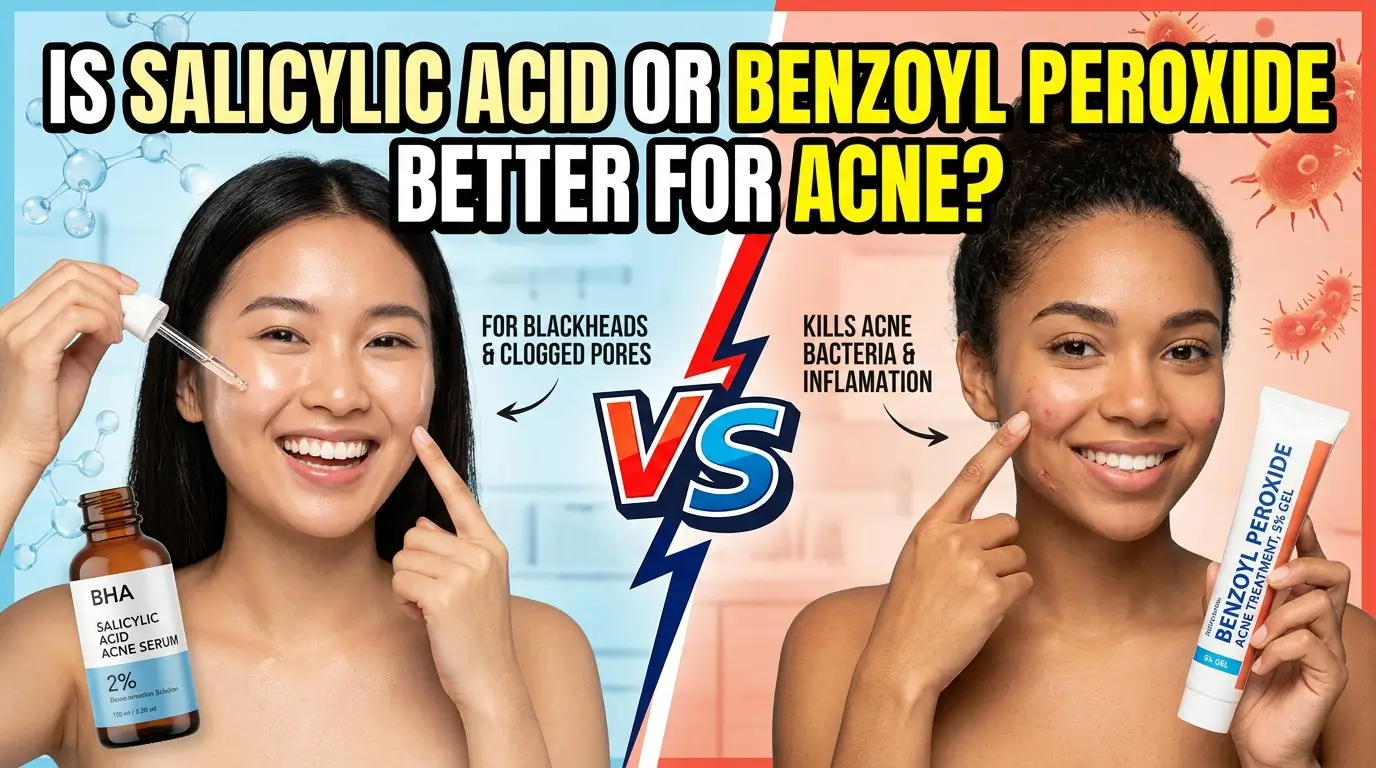
Scrubbing my face with crushed walnut shells was a habit of my teenage years. I believed that pain was a step forward. Micro-tears, red face, angry – my face was that way.
However, I didn’t know about chemical exfoliation until years later. The idea was frightening. Drip acid on my face?! For a long time I didn’t want to think about it.
The chemical exfoliant changed my life.
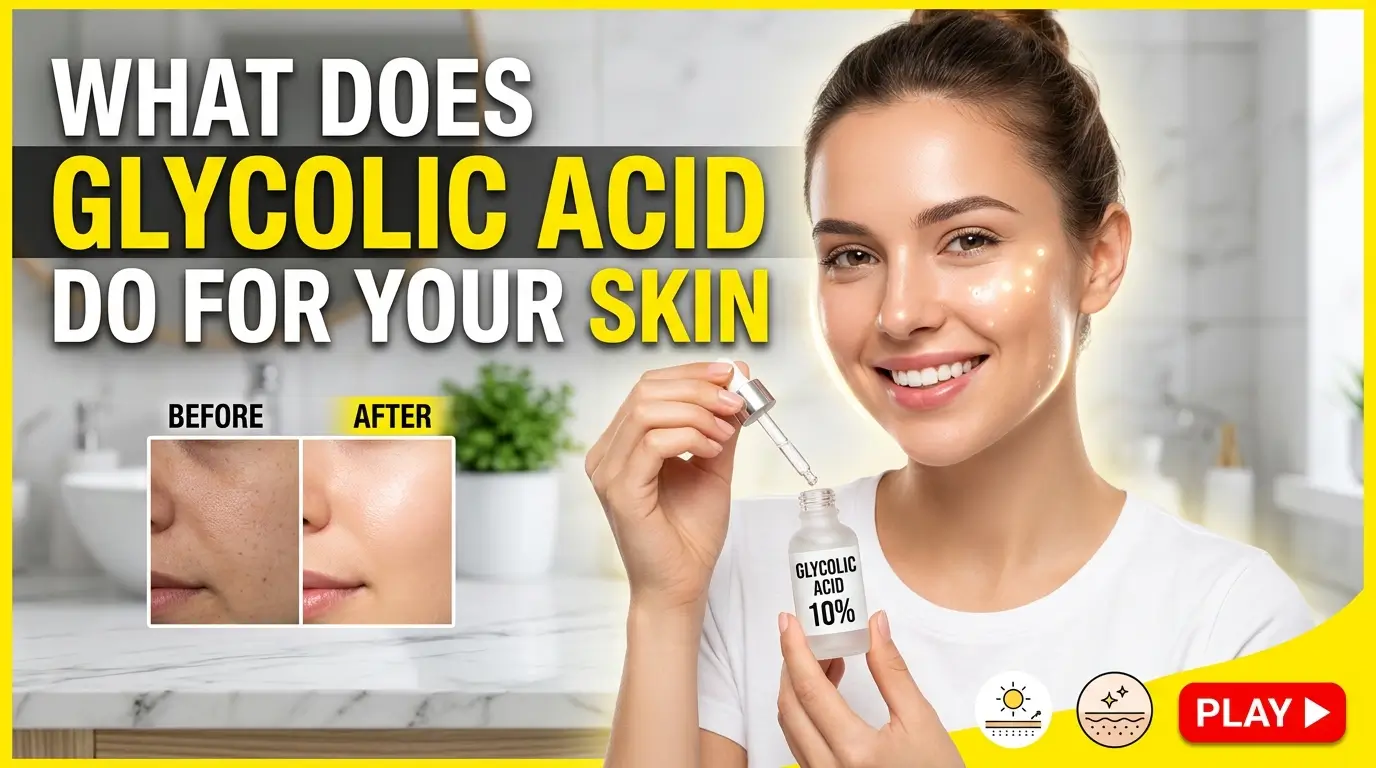
When dealing with dark spots or smoothening down rough skin, it is important to know what does glycolic acid do for your skin. It is the gold standard, according to dermatologists. It can result in severe sun damage and chemical burns with misuse. Let’s discuss the science, the proper pH and what does glycolic acid do for your skin while keeping your face safe.
What Is Glycolic Acid?
Glycolic acid is an alpha-hydroxy acid (AHA) derived from sugar cane and water soluble. It helps to break down the connection between dead skin cells, causing them to flake off and leaving brighter, smoother skin and an increase in collagen production.
Also Read: Peptides In Skincare: Do They Really Work 2026
In cosmetic chemistry, molecular weight is important. The molecular weight of this particular type of acid is low at 76.05 g/mol. That is the lowest of any of the AHAs. It is so tiny that it penetrates the skin at a very high velocity. The acid makes its way to the bottom layers of the skin in just a few seconds.
The Biology: What Does Glycolic Acid Do for Your Skin?
Your skin is forming a skin surface of dead cells. This is where doctors refer to as the stratum corneum. These dead cells are bound together by tiny bonds of protein. The name desmosomes is given to these bonds. Desmosomes are like the glue.
Glycolic acid decreases the pH level of your skin. This action causes the glue to melt. The dead cells come off and are washed out. This is known as cellular turnover, according to skin care experts.
After the acid reaches the deeper skin layers it becomes a tyrosinase inhibitor. This is because it interferes with the enzyme that produces dark pigment.
Meanwhile, the acid penetrates deeply into the dermis, stimulating the fibroblasts. The biological machines in your skin are the fibroblasts. They are machines that produce new collagen and elastin.
The pH Secret Formulators Know
Most skin care blogs avoid the science. The secret is known to skincare formulators. The product pH is critical to success or failure.
Glycolic acid works best in an acidic pH. If the pH of a serum is over 4.0, then you are wasting your money. The acid neutralizes in a high pH formula. It turns into a simple but costly moisturizer.
Check the pH in the print on the bottle — look for a range of 3.0 to 4.0. The chemical exfoliation process will occur without damaging your face if the pH is balanced.
Key Benefits of Glycolic Acid for Face
This acid changes the texture of your skin. That’s what happens with a well designed product.
- Fades Hyperpigmentation: It speeds up the removal of cells. Sunspots and acne marks fade quicker.
- Builds Collagen Synthesis: The acid stimulates your skin to heal. An injury response which results in firming proteins.
- Clears Congestion: Clears surface debris which holds oil. This action will prevent the formation of blackheads.
- Improves Product Absorption: A dense dead cell layer prevents the active ingredient from being absorbed. Taking this layer will make your expensive serum more effective.
AHA vs BHA: Which Acid Do You Need?
Individuals mix up their acids. It’s important to select the proper acid for your skin type. When the wrong one is used, it leads to acne and frustration.
| Acid | Works Best For | Soluble In |
|---|---|---|
| Glycolic (AHA) | Aging, rough texture, sun spots | Water |
| Lactic (AHA) | Sensitive skin, dryness | Water |
| Salicylic (BHA) | Oily skin, deep acne, blackheads | Oil |
The Fitzpatrick Scale Warning for Skin of Color
Darker skin tones are at high risk with high strength acids.
Skin is classified by dermatologists using the Fitzpatrick scale. The olive to deep brown skin types are the types of IV to VI. This category is at risk for post-inflammatory hyperpigmentation (PIH).
A strong 10% acid is applied to deep skin tones which results in an aggressive injury response. The skin produces more melanin to act as a barrier. This overproduction results in permanent dark patches.
If you have skin of color, limit percentages to 2% or 5%. Test on the side of the face before covering the entire face.
Also Read: At What Age Should You Start Using Anti Aging Products 2026

Who Should Avoid It?
This ingredient is not suitable for some ailments. If you already have an active case of rosacea, steer clear of it. Do not use if you have a serious eczema problem.
These skin types are stung, redden, and have a broken skin barrier due to the low pH. Consider switching to a gentle polyhydroxy acid (PHA) that’s a better experience.
How to Apply Glycolic Acid
These are the same procedures that work to prevent chemical burns. Use as part of PM regimen.
- Cleanse: Wash with a simple, plain wash.
- Dry Your Face: Water will push acid into your skin. Acid will sting the face considerably if applied to a moistened face.
- Apply: If you have a small amount of it, apply it to your face. Steer clear of eyelids and lips.
- Wait: Allow product to sit for 3 minutes, to achieve proper pH on skin.
- Moisturize: Apply a rich ceramide cream over the serum to help retain moisture.
- SPF: Use the next morning. The FDA requires a sunburn warning to be made on all AHA products.
Compatibility Framework: What to Mix
Chemical burns from mixing of active ingredients. Simplify your everyday practice.
| Ingredient | Mix with Glycolic? | Why |
|---|---|---|
| Hyaluronic Acid | Yes | Moisturizes and soothes the skin. |
| Vitamin C | No | Irritates and peels. |
| Retinol | No | Too harsh. Causes redness and pain. |
| Benzoyl Peroxide | No | Damage to barrier of the skin. |
Formats: Toners vs Serums vs Masks
Go into any beauty parlour and you’ll find dozens of formats. The different formats are used for different purposes.
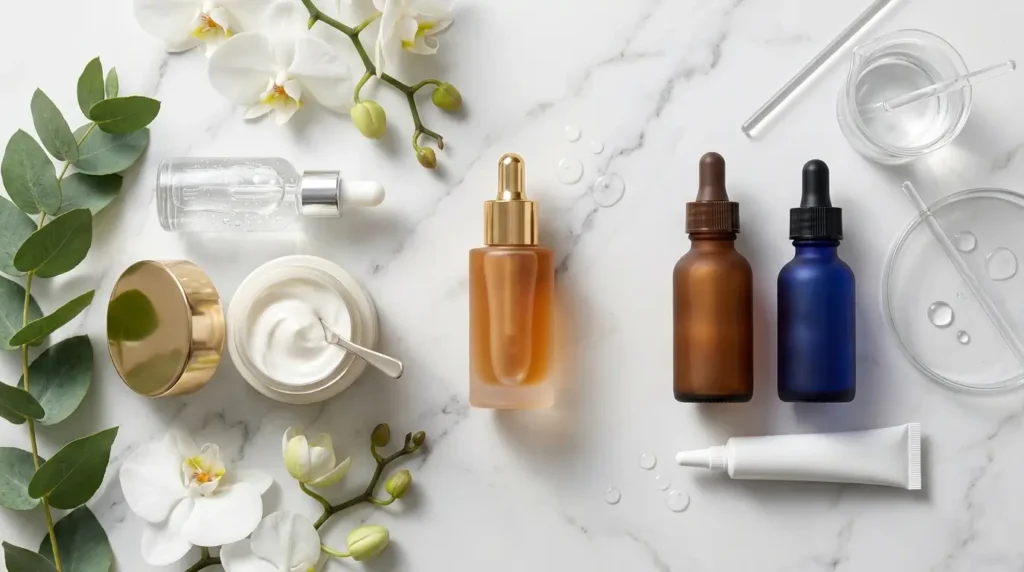
Toners are made with a watery base. They have acid contents of 2% to 5%. They are applied using a cotton pad. These are great for beginners.
A thick gel base is found in serums. They hold 5% to 12% acid. They stay on for the night. These focus on penetrating deep into the sun damaged areas and those areas with persistent texture.
Wash-off masks are fast acting. They can have as much as 30% acid. You leave them on for 10 min and clean them under the sink. These are similar to professional treatments.
Over the Counter vs Professional Chemical Peels
There are two options for treatment. Serum can be purchased in the store and/or a clinic can be visited.
The cost of storing serums range from $10 to $80. These give gradual effects. Changes will occur after 6 weeks of use.
A professional AHA peel is needed for deep acne scars or severe photoaging. The clinical formulations vary from 30% to 70%. These are not available for purchase without a medical license. Please don’t try to purchase a 30% peel online! You’ll burn your face and scar it forever.
Find a dermatologist (skin doctor) who is board certified in your area. Look for licensed master estheticians. When looking for “chemical peels near me,” always inquire about their credentials before scheduling a peel.
Also Read: Can You Mix Vitamin C And Niacinamide Together 2026
Professional treatments range from $150 to $400, depending upon the zip code. Clinics in New York or London charge is high. The cost of medical spas in suburban areas is cheaper.
What to Expect During a Professional Chemical Peel
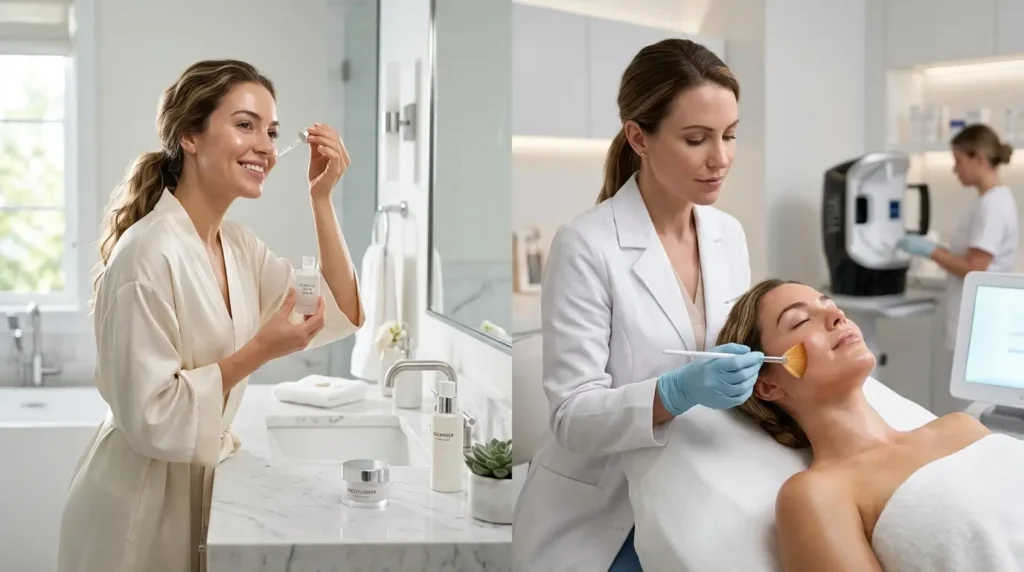
The clinical experience is very demanding. While on a table, an esthetician removes impurities from your skin using acetone. This helps to remove all the oil from your face.
They apply the acid to the skin using a brush with a fan. Your face will be warm. Some clinics may provide you with a hand-held fan for the burning sensation to cool with.
They then spray a neutralizer on your face after 3 to 5 minutes. The neutralizer prevents the acid from damaging your skin. You go out of the clinic with a red tight face. Two days later peeling begins.
FAQs About Glycolic Acid
What is glycolic acid?
It is a chemical compound that is extracted from sugar cane. It is also used in skin care products to exfoliate dead cells, unclog clogged pores and help to smooth out any roughness on the skin of the face and body.
How often should you use glycolic acid?
People new to the technique should apply a 5% toner for two nights per week. A 10% serum can be used every other night by experienced users. Using high percentages every day will destroy the barrier to moisture.
Do you wash off glycolic acid?
Toners and serums applied to skin at night. High percentage peeling masks will need to be washed off after the recommended time, or you will have burns.
Does glycolic acid cause purging?
Yes. The acid accelerates the turnover of cells in the body. This will help expose some hidden clogs. Purging looks like small whiteheads and clears up within four weeks.
Can it remove acne scars?
To make the acne scarring appear lighter and less flat. It cannot clear deep and pitted ice pick scars. Lasers or microneedling are necessary to treat pitted scars.
Is it safe during pregnancy?
Doctors allow over the counter products that have less than 10% concentration while pregnant. Stay away from professional clinical peels. Please consult your OB-GYN prior to beginning any new active ingredient.
How long does it take for glycolic acid to work?
The following morning your face will be softer. It takes 6 to 8 weeks of regular use to fade hyperpigmentation. It takes up to 6 months to rebuild collagen.
The Bottom Line
Knowing the chemistry in your skin-care products will keep your skin from being harmed. You can choose mild toners for use every day, or deeper and stronger treatments for clinical use. Follow the pH requirements. Follow your skin tone restrictions. Use sunscreen every day in the morning. Keep your barrier intact and the acid will do the job.