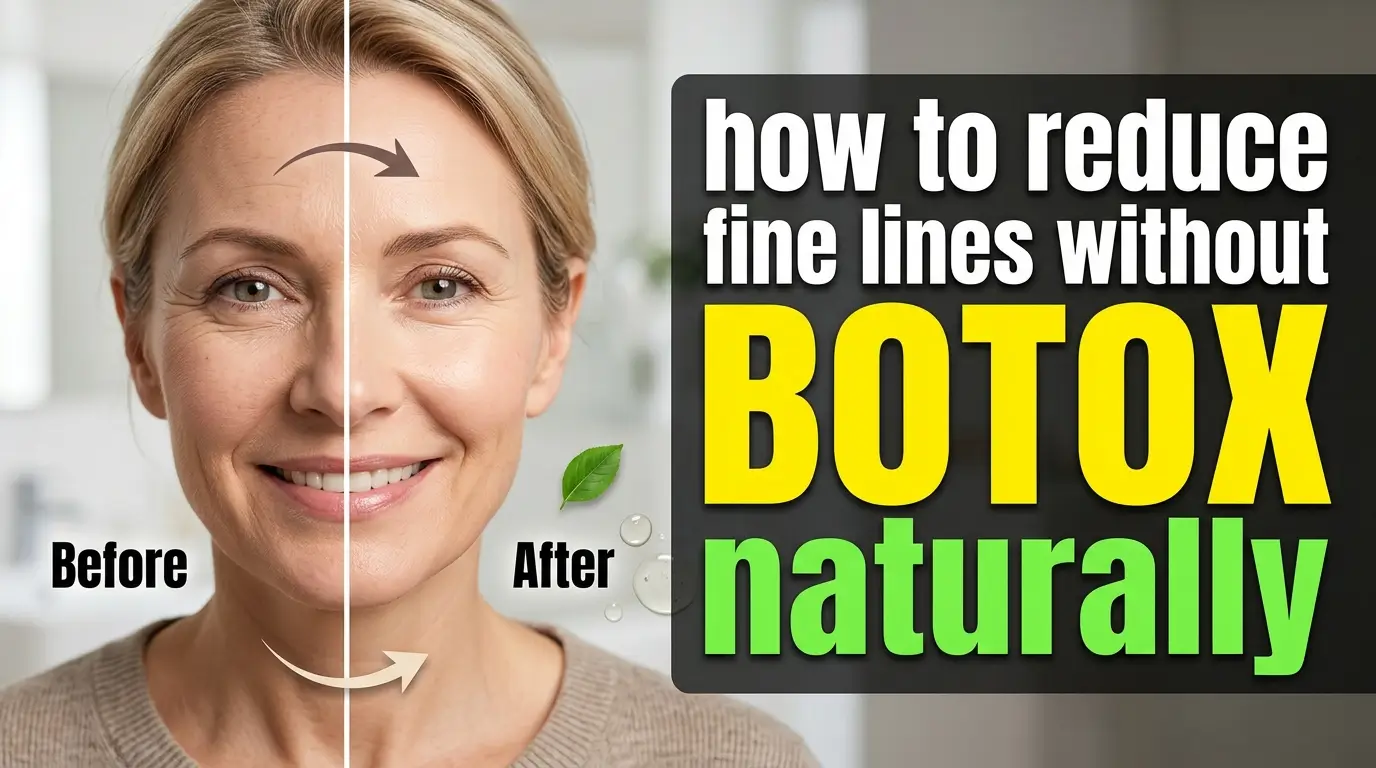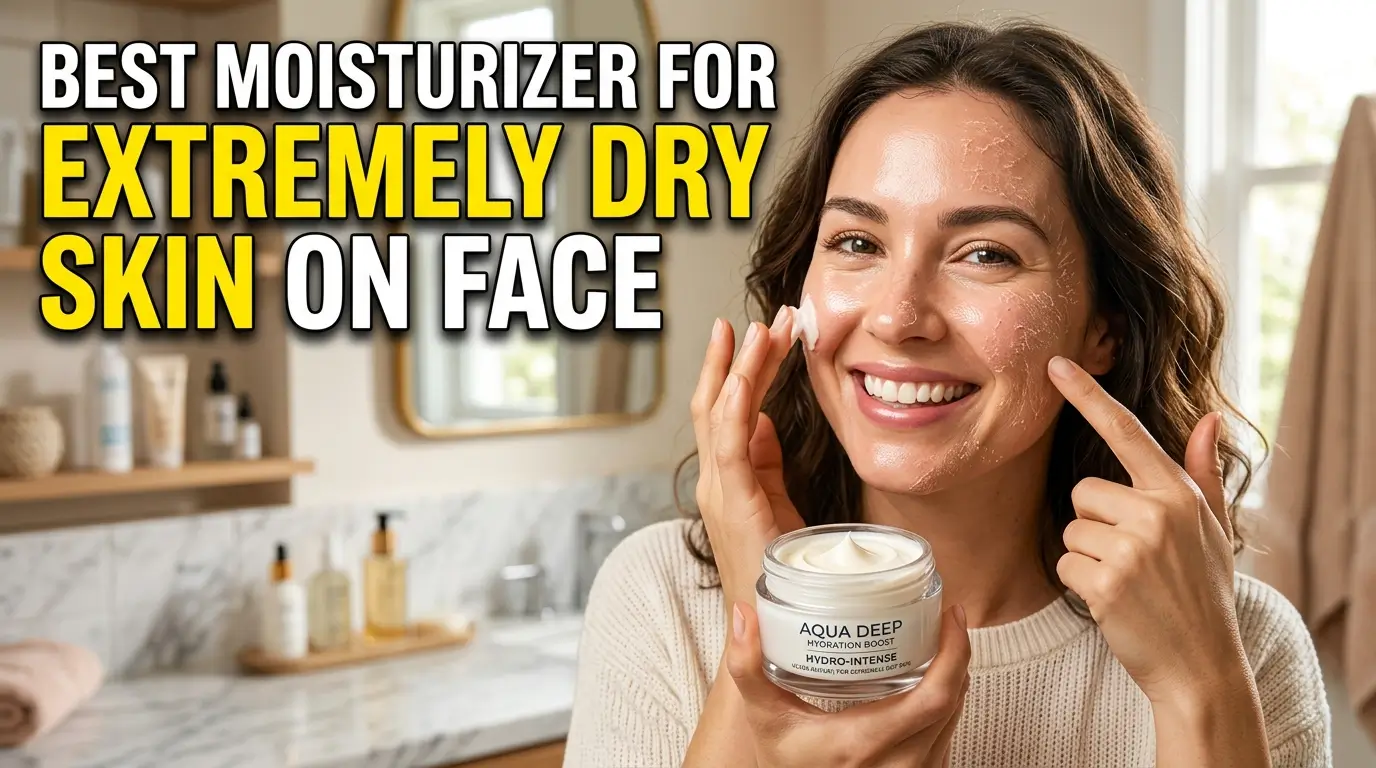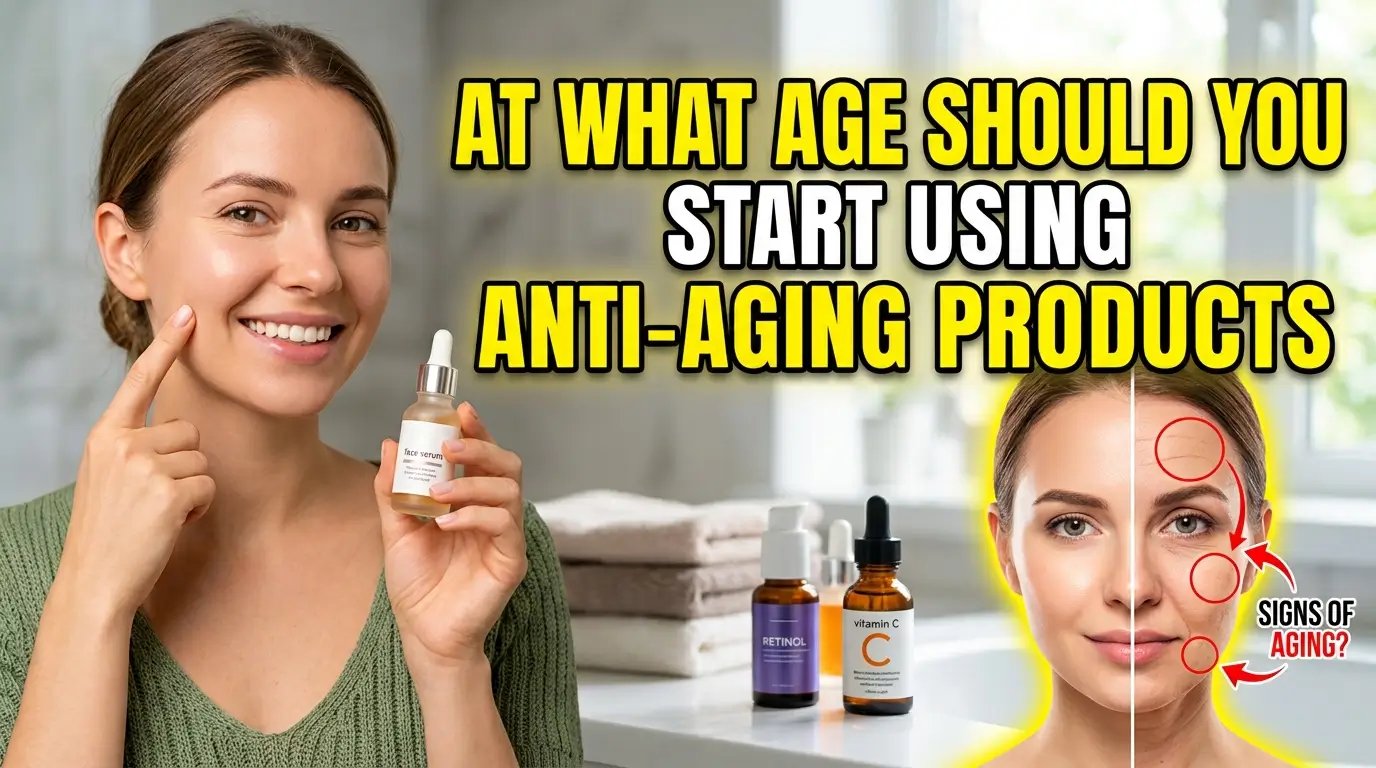
Last week I witnessed a bunch of middle school students at my local beauty shop. They had bottles of high strength retinol and 30% acid peels. All of these could not have been older than 12. She had flawless skin. It was easy to ride on, smooth and bouncy. But she was worried about a wrinkle that wouldn’t show up for another twenty years. I realized how much of a conversation there is about aging these days. Everyone feels like they are late to the party before the party has even begun on social media, raising the question: at what age should you start using anti aging products?
The reality is your skin DOES change. There are never situations where one must spend money when they can simply purchase a decent hat. You don’t want to start too early because you will be risking your skin barrier. Playing a catch up game is very costly if you don’t begin early enough. Understanding at what age should you start using anti aging products can help you avoid both extremes.
The Biological Cliff at Age 25
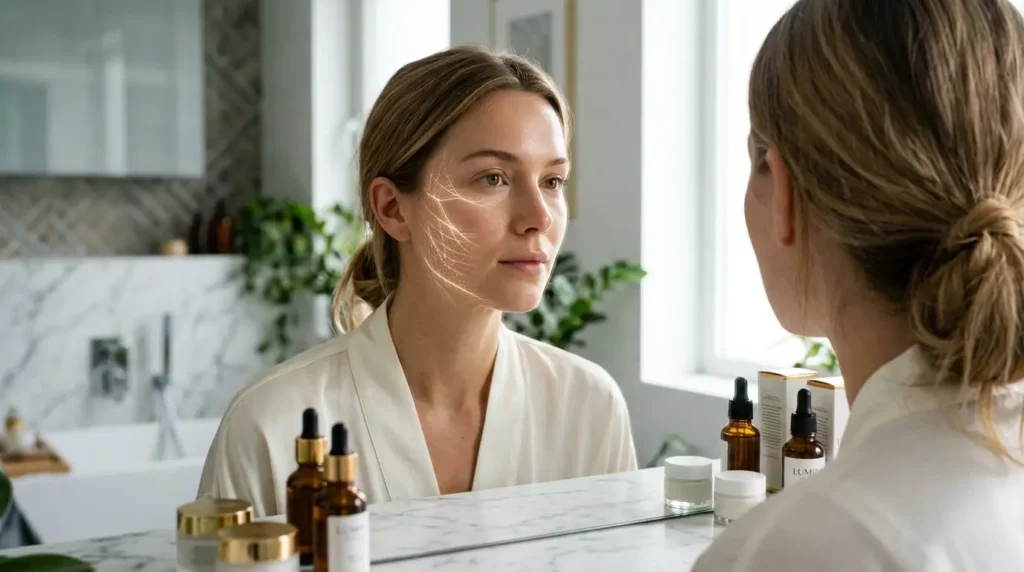
The consensus of most dermatologists is that the starting line is age 25. This is not a lucky or random number. At this point, your body begins to decrease collagen production. Collagen is the protein which maintains the fullness and firmness of your face. Starting at age 25, you lose 1% of your collagen each year.
Also Read: Salicylic Acid Or Benzoyl Peroxide: Better For Acne 2026
You also cease to make elastin, the skin’s ability to stretch. This is what gives your skin its bounce. Add to this a slower turnover rate in cells and you will have the first signs of aging. Perhaps you wake up and find that your pillow lines are still present on your face. Maybe you get up in the morning and see that the creases of your pillow are still there on your face. That’s the 1% drop in effect.
The Danger for Gen Alpha and Teens
Discuss the children with the parents. There is a large division in which teenagers are using products which are targeted for the mature audience of 40 year olds. This is a mistake. The cell turnover of younger skin is very high. It is already playing the role of retinol.
A strong retinoid or heavy acid used by a 13-year-old will dry out their skin barrier. This causes redness, peeling and a condition known as retinoid dermatitis. In fact, it may make the skin more susceptible to the sun and cause more sun damage in the future. If you’re under 20, your anti aging program ought to consist of:
- A mild cleanser
- A basic moisturizer
- A large quantity of sun block
Your 20s and the Prejuvenation Movement
The motto for the early 20s is prevention. This is known as prejuvenation by experts. You’re not looking to treat wrinkles as you probably don’t have any. You’re attempting to prevent the environment from forming them.
The worst culprit is photo aging. This is the damage caused by UV radiation. 80% of what we refer to as aging is just sun damage! There’s nothing like a thick cream that provides SPF 30 or above if you don’t apply it every day.
Vitamin C can be added around the age of 25. An antioxidant. It is like a barrier to pollution and the rays that make their way through your sunscreen. Also aids in brightness. If you smoke or live in a polluted city, such as London or New York, you cannot afford not to take Vitamin C. It is a mandatory requirement.

Stepping into Your 30s
This is where the maintenance starts to get serious. The regeneration power of your skin decreases a lot from the age of 30. Your skin may feel drier. This is due to transepidermal water loss (TEWL). You’re losing moisture from your skin.
Also Read: Best Ingredients To Look For In Anti Aging Products 2026
This is the decade to bring on a true retinoid. Retinol compels the skin cells to hurry up and turn over. It also stokes the fibroblasts to produce more collagen.
| Age | Primary Product | The Why |
|---|---|---|
| 13–19 | SPF 30+ | Prevent DNA damage |
| 20–25 | Vitamin C | Blocks free radicals |
| 26–35 | Retinol | Increases cell renewal |
The 40s and Beyond
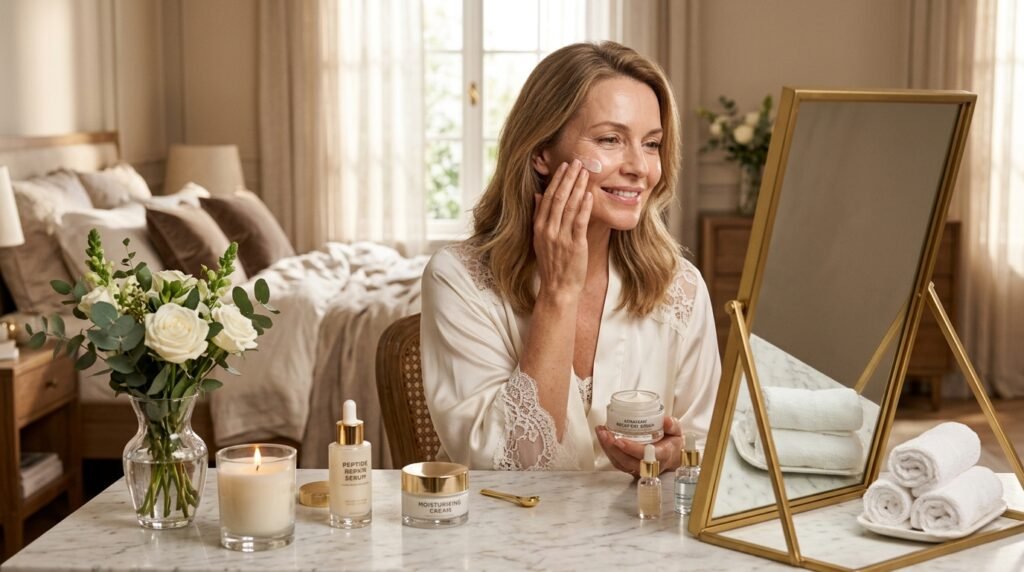
As you enter your 40s, the emphasis is on barrier repair and more in-depth treatments. The lipid barrier thins out. This is when they begin to consider professional treatments such as microneedling or chemical peels. The treatments induce very fine micro-cracks, which compel the skin to repair itself with new collagen.
Sudden thinning of skin can be caused by the decrease of estrogen in menopause. That’s when ingredients such as peptides and ceramides are your best friends. They make the skin thicker and firmer.
Professional Perspective for Spa and Clinic Owners
As a skin care entrepreneur, your role is to set expectations. Clients in their 20s will ask for Botox and clients in their 50s will ask for a miracle cream.
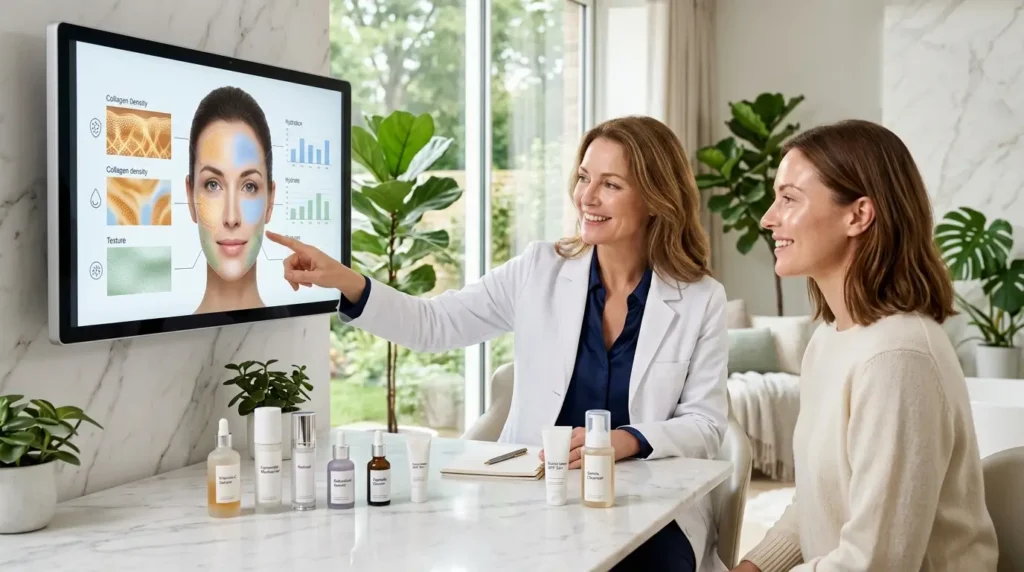
The best thing you can give is a skin analysis. Sun damage can be revealed before it reaches the surface with the use of tools such as the Visia system. The lifestyle of the new client should be the first thing you examine when talking to them. Are they by a window? Do they travel? It is these “near me” lifestyle factors that are more important than their age on paper.
Teach them to understand surface hydration and cellular repair. Many low-cost anti aging creams lie on the surface of the skin. For one hour they will keep it fat by entrapping water. That’s the surface hydration. Medical grade products are designed to get into the dermis. That’s where the repair takes place.
Retinol vs Bakuchiol
Bakuchiol is a hot topic when it comes to natural retinol alternatives. Retinol is a compound of Vitamin A. It’s the gold standard but it’s also extremely tough. Redness and peeling in the first few weeks. This is referred to as the retinization period.
Bakuchiol is derived from the babchi plant. It does not work the same as retinol but has similar results without causing irritation. Bakuchiol will be excellent for sensitive skin or pregnant women. If your skin can tolerate it, however, retinol is the more powerful weapon in the fight to reverse deep wrinkles.
The Cost of Staying Young
There is no need to buy a $500 cream. Much of the cost is associated with the heavy glass jar and celebrity marketing. You can get a high quality, stable Vitamin C for $30. A quality retinoid should not be more expensive than $60 and should last for three months.
The prices increase when professionals are involved:
- Botox typically ranges between $200–$600 per session, depending on where you live
- Microneedling can be $300 to $800
- Laser resurfacing can cost you as much as $2,000
Get the $15 sun cream now, don’t pay $2,000 later!
Common Mistakes to Avoid
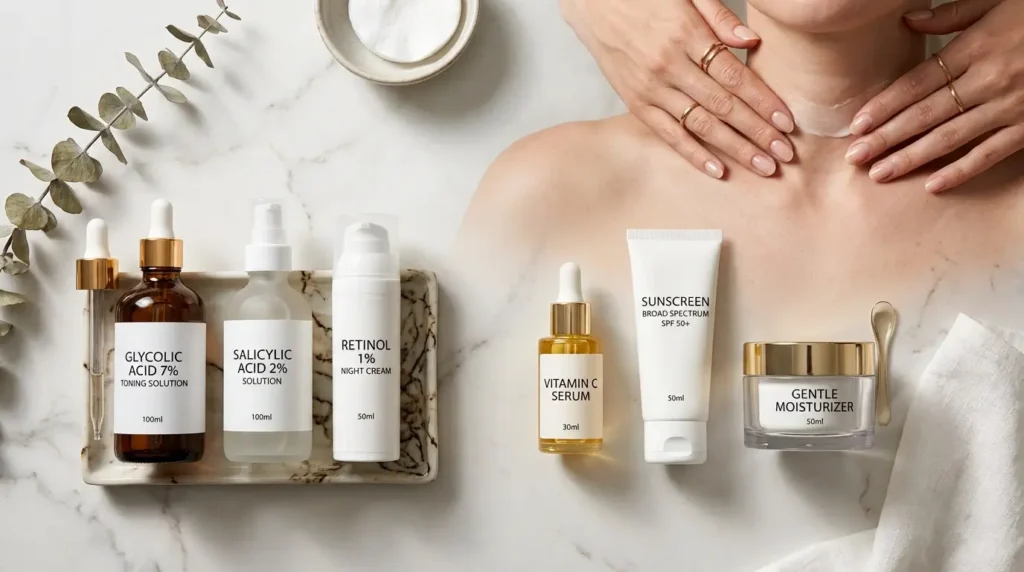
One of the biggest mistakes I see is over-exfoliation. If one acid is good, three must be better — people think that. All in one night, they go through a glycolic wash, salicylic toner and a retinol cream. Chemical burn recipe.
The other error is neglecting the neck and hands. Your face may be 30, but your neck will tell the truth. Always take your skin care down to your chest.
Last, but not least, don’t neglect lifestyle. Glycation occurs when sugar molecules bind to collagen fibers and causes them to harden. Your skin will lose its tone quicker when you have a high sugar diet. Cream can’t fix bad eating habits or lack of rest. Your skin’s structural proteins also break down with cortisol, the stress hormone.
Also Read: How To Use Vitamin C Serum For Anti Aging Correctly 2026
Identifying the Signs You Started Too Early
How do you know when you’re doing too much? It’s a sign if your skin is tight after washing. If the basic moisturizer causes a stinging sensation in your face, you have damaged your barrier. Normal skin should not be painful. If you notice persistent redness and/or small bumps that resemble acne but do not pop, you should eliminate all actives for two weeks and use a mild cleanser only.
Frequently Asked Questions
Is 20 Too Early for Retinol?
If you are only concerned with wrinkles, then it is probably too soon. A dermatologist may prescribe it to people who suffer from acne. Wait until ages 25–35 to age.
Can I Use Anti Aging Products While Pregnant?
Retinoids and high strength salicylic acid should not be used during pregnancy. Limit Vitamin C, Glycolic acid and Bakuchiol. Please consult your doctor before taking any action.
Does the Blue Light Emitted by My Phone Have a Negative Impact on My Skin?
It can be a part of a phenomenon known as HEV damage. It is not as severe as the sun, but can lead to pigment problems. Certain sunscreens contain ingredients to prevent the absorption of blue light.
Do I Need an Eye Cream?
Not necessarily. The majority of eye products are thicker versions of your face moisturizer. But in case you have very delicate eyes, a particular eye cream is designed to not sting.
When Will Results Be Seen?
Results from retinol can take approximately 12 weeks. Vitamin C can reveal a glow in approximately 4 weeks. Being consistent is a must.
Which Ingredient Would You Need to Add If You Want to Rectify Deep Wrinkles?
Tretinoin is the most powerful. It is a prescription only retinoid. With that, it will be clinical fillers or lasers.
Do You Think Drinking Water Can Help You Reduce Wrinkles?
Your skin retains moisture if you drink water, giving it a better appearance. Collagen in drinking water cannot be restored once damaged by the sun.
There is really only one rule: consistency in skin care. Don’t wear a cream once a week and never get older. Discover a straightforward plan that you can truly implement each night. Wear your sunscreen. Avoid the use of sunbeds. Do those things, then the other things are just secondary.