The Science of Product Absorption
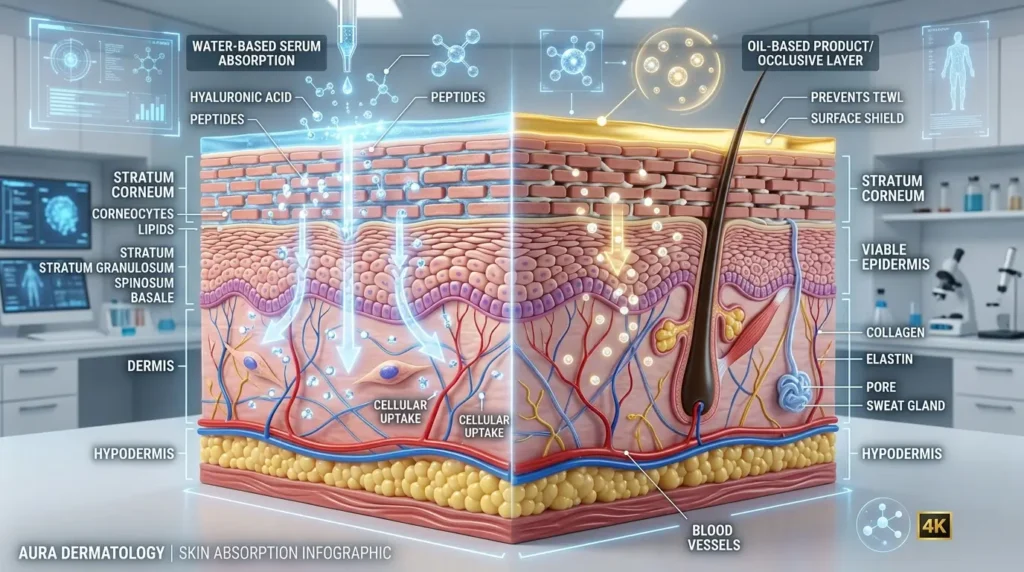
Your healthy skin naturally protects against the outside world. Stratum corneum, the outermost layer of the epidermis, is like a brick wall. This is the obstacle that skin care products have to overcome.
The ability of a product to be absorbed is dependent on its molecular weight. The molecular weight of water based liquids is low. They are able to penetrate the skin in less than a second. Heavy creams and oils have a high molecular weight. They are located above the skin.
Using a heavy oil first will form a seal. A watery serum with its small molecules can’t get through that oil. The serum stays on the skin, and hardens into a sticky film.
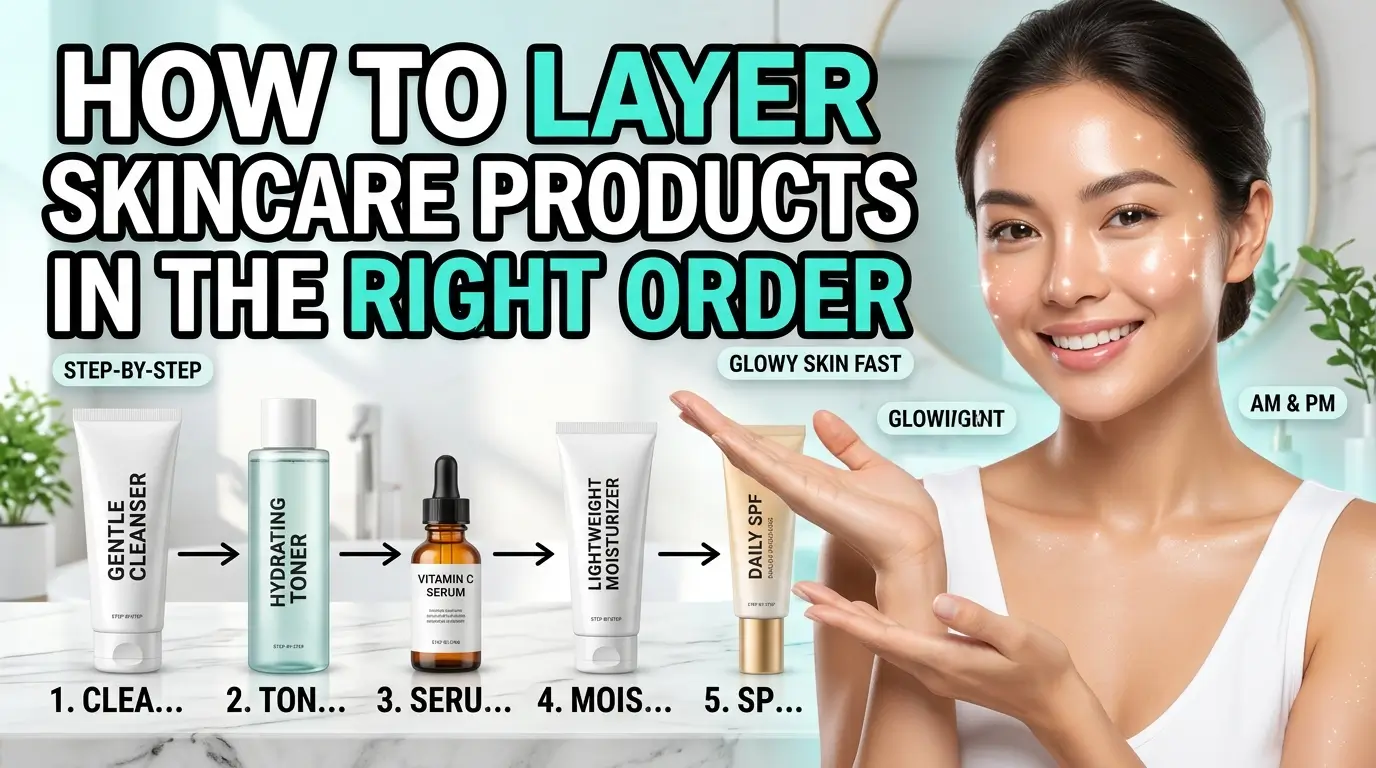
Now, to the thinnest to thickest skincare rule. Water goes first. Oil goes last.
Morning Skincare Routine
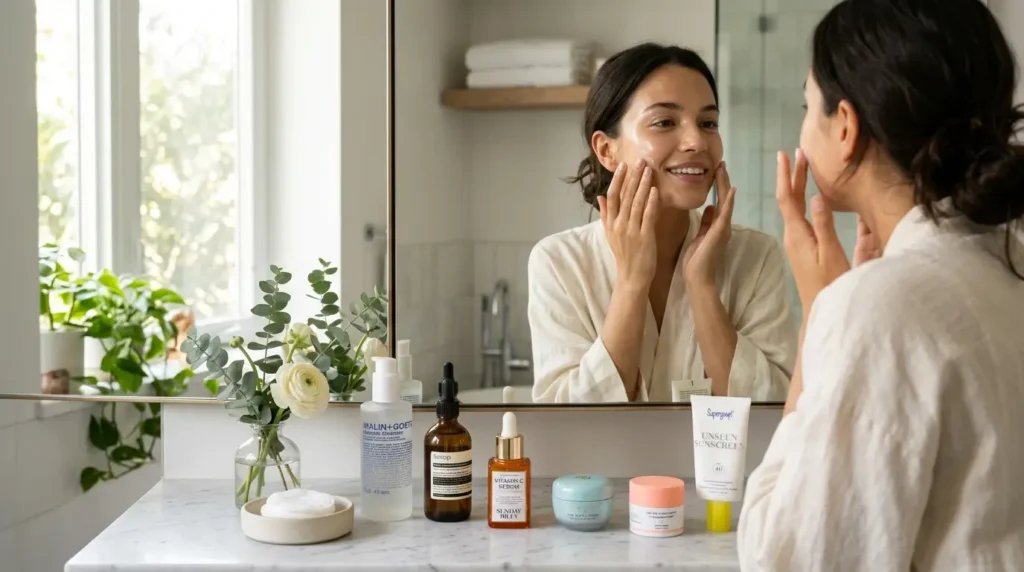
Waking up in the morning is a time about protection. Your face should be protected from free radicals and UV radiation.
Cleanser
Cleanse your face after you sweat overnight. The basic water-based cleanser costs about $10 and is enough to do the job. Work out your budget for the next steps.
Toner or Essence
Toners neutralize your pH after cleansing. Add a little to your hands and apply it to the skin.
Antioxidant Serum
This is the place where you put your cash. Vitamin C is a powerful antioxidant which helps to protect collagen and elastin. Dry skin: apply 2 pumps of Vitamin C serum.
Eye Cream
The skin around the orbital bone is thin with little or no sebaceous glands. Apply pea-sized amount of eye cream under eyes. Do this prior to face moisturizer to prevent eye cream from being interfered with.
Moisturizer
Use a lotion or gel. Moisturizers are a humectant action. They are responsible for suckling water into the skin, so it remains full.
Sunscreen
Sunscreen/SPF is mandatory. It’s the last thing you do every morning. Using serum instead of sun protection will weaken the chemical filters and compromise sun protection.
Evening Skincare Routine
You’re putting in extra effort to repair and exfoliate during your nighttime routine. Active ingredients that are photosensitive are used at this time.
Double Cleanse
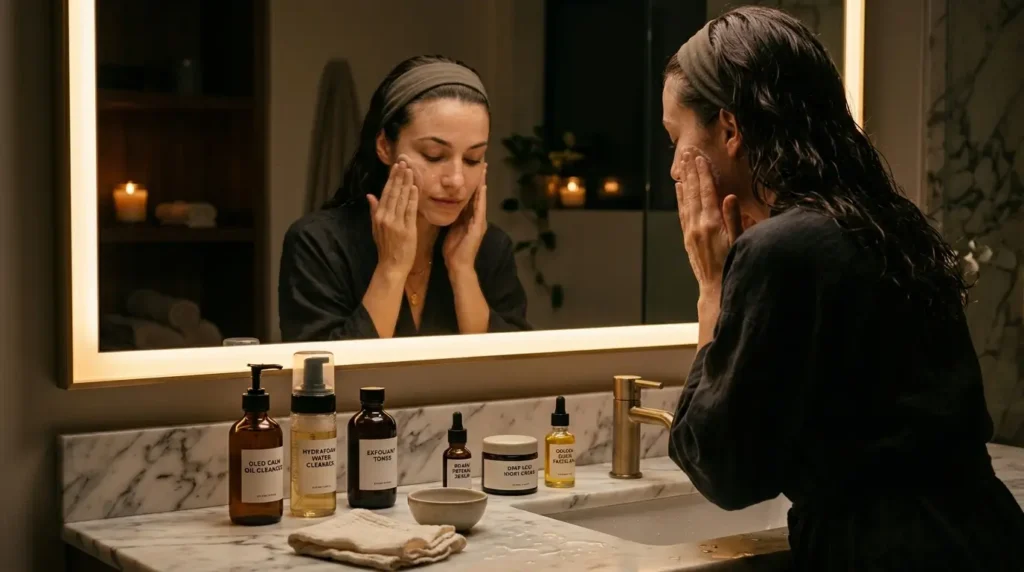
Cleanse your face twice. To remove stubborn SPF and makeup use an oil based cleanser first. Use a water-based cleaner to clean the pores.
Exfoliant or Hydrating Toner
Chemical exfoliants, such as Alpha Hydroxy Acids (AHA) and Beta Hydroxy Acids (BHA), help to dissolve dead cells. Use an exfoliant two nights a week. On other nights, use a hydrating toner.
Targeted Serum
This step addresses specific issues. Retinol promotes skin renewal. Use an effective amount of retinol (pea-sized) on a dry face.
Please note: Don’t combine Retinol with AHA or BHA exfoliants in the same product, as it can cause the skin barrier to be damaged.
Night Cream
The creams with the night treatment have heavy emollients, and they are used for fixing the barrier of the skin. They fill in the spaces between the skin cells.
Facial Oil
Oils for the face are occlusives. They form a physical protection on top of the skin during the night to help prevent transepidermal water loss (TEWL). Apply 3 drops of oil on top of the night cream.
Ingredient Compatibility
Mismatching of the actives can lead to a very strong redness and peeling. One has to do with practicing the layering of skincare according to the pH of the skin. Some ingredients need an acid environment and others need a neutral base.
Also Read: skincare routine for beginners step by step 2026
This is a basic mixing guide to protect your skin.
| Ingredient A | Ingredient B | Safe to Mix? |
|---|---|---|
| Retinol | AHA or BHA | No |
| Vitamin C | Niacinamide | Caution |
| Hyaluronic Acid | Retinol | Yes |
| Vitamin C | AHA or BHA | No |
| Niacinamide | Hyaluronic Acid | Yes |
If you want to use conflicting ingredients, split them up. Dose Vitamin C in the morning and Retinol at night.
Adapting for Global Climates
Your products’ performance is determined by their environment. London is great, Dubai isn’t.
Humid Climates
Humidity is high in cities in South East Asia or American South. Moisture is filled in the air. It is home to humectants such as hyaluronic acid. They draw water into your face from the air. Excessive facial oils can be avoided in these areas. A gel moisturizer will suffice.
Arid Climates
The American Southwest or the Middle East has a different climate, and thus a different approach. Without sealing, the drying desert air will draw water out of the deeper layers of your skin when you apply hyaluronic acid. This leads to fast dehydration. The water has to be trapped by using thick occlusives on top of your humectants.
Harsh Winters
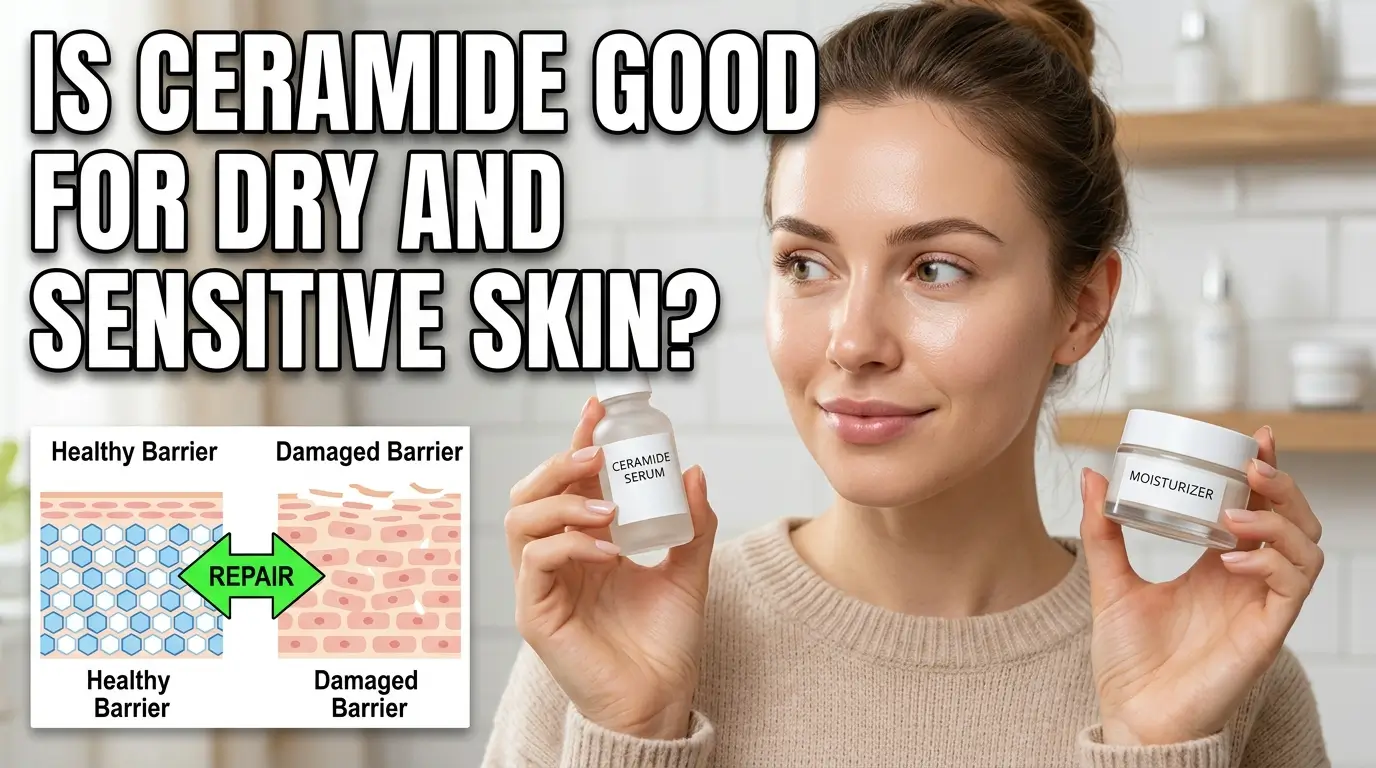
The skin barrier is broken down in the winter. Rather than using harsh exfoliants, concentrate on repairing the barrier. Incorporate a barrier cream with ceramides into your nighttime skincare routine.

Common Skincare Layering Mistakes
These are common mistakes that cost people hundreds of dollars.
Not Waiting Between Layers
The problem of pilling is caused by applying five serums back to back. Allow products to absorb. The amount of time you can wait between skincare layers varies with the skin care product. Allow serums to dry for 60 seconds. Apply sunscreen and wait 3 minutes before putting on make-up.
Applying Actives to Wet Skin
Moisturizing a wet face is a good habit to get into. It is capturing the ground water. Don’t do this with strong actives. Water is a penetration enhancer. Retinol will pull the chemical into the pores when applied to a damp face and will result in chemical burns. Treat a dry face with actives.
Ignoring Regulatory Differences in Sunscreen
There are two types of sunscreens, one western and one eastern. Sunscreen is regulated as a drug by US FDA. This limits the types of chemical filters brands can use. K-beauty and Asian sun creams use advanced, light filters. If this is the kind of thick, chalky texture you don’t like about the Western SPF, then get a Korean brand product. They are like water, and they add a lovely look beneath cosmetics.
Splurge vs Save
Creating a skin care regimen costs a lot of money. There is a need to learn where to place your budget.
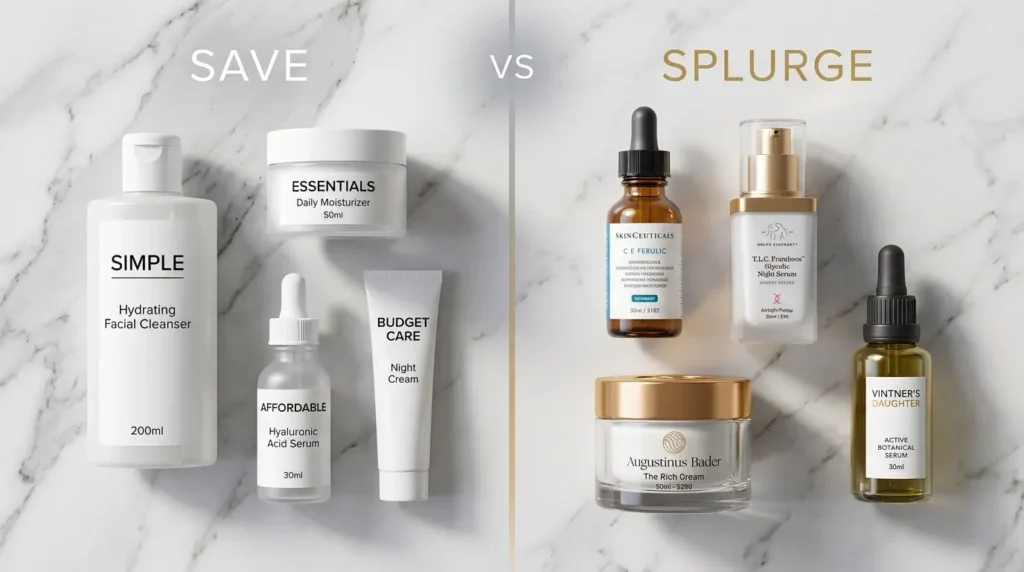
- Save on cleansers. They remain on your face for 60 seconds and then they run down the drain. Just a simple brand for a pharmacy is ideal.
- Spend your money on serums. Vitamin C must be stabilized in a food product in a complex way in order to avoid its oxidation in the product bottle. Vitamin C loses its effectiveness completely in just a week if it costs less than $1.00. Purchase from trusted companies that have sealed, airtight packaging.
If the OTC products do not resolve your acne, then put down the fashions of serums. Look for a board-certified dermatologist local to me. You’ll save money and you won’t be frustrated by expensive trips to the dermatologist when you come to think of it, as you can get everything you need for $150 and a small tube of prescription Tretinoin.
FAQs
What Goes First: Hyaluronic Acid or Niacinamide?
First off, hyaluronic acid. A humectant which hydrates skin. Use it on a wet face. Allow to absorb for 1 minute. Use niacinamide around the area to control and minimize redness and oil production.
Does Sunscreen Go Before or After Moisturizer?
Moisturizer is followed by sunscreen. This is the last routine in any daytime routine. Applying moisturizer on top of sunscreen breaks down the protective UV shield.
Do I Apply Eye Cream Before Serum?
Before heavy face creams, use eye cream; after watery face textures, use watery eye creams. The eye cream should be applied directly on the eye area skin. Using thick face products to avoid the orbital bone will lead to avoid small white bumps known as milia.
How Long to Wait Between Skincare Layers?
Leave space between most layers of 30-60 seconds. Wait 3-5 minutes after application of the sun cream. This helps to create an even layer on your face with the chemical filters.
Why Is My Skincare Pilling?
There are 3 reasons for pilling:
- You used silicone based primer on top of a moisturizer that is water based.
- You’ve put on too much.
- You didn’t let the previous layer dry first.
Does Facial Oil Replace Moisturizer?
No. Moisturizer is water. Oil is used for sealing. Oil is a product of 100% lack of water. The face will dry out in the long term if you use oil without a moisturizer.
Can I Skip Moisturizer If I Have Oily Skin?
No. Oily skin is often a symptom of dehydration. If your sebaceous glands don’t produce enough water, they make more oil to make up for it. Apply a water-based gel moisturizer rather than a heavy cream, to moisturize the skin without clogging up pores.
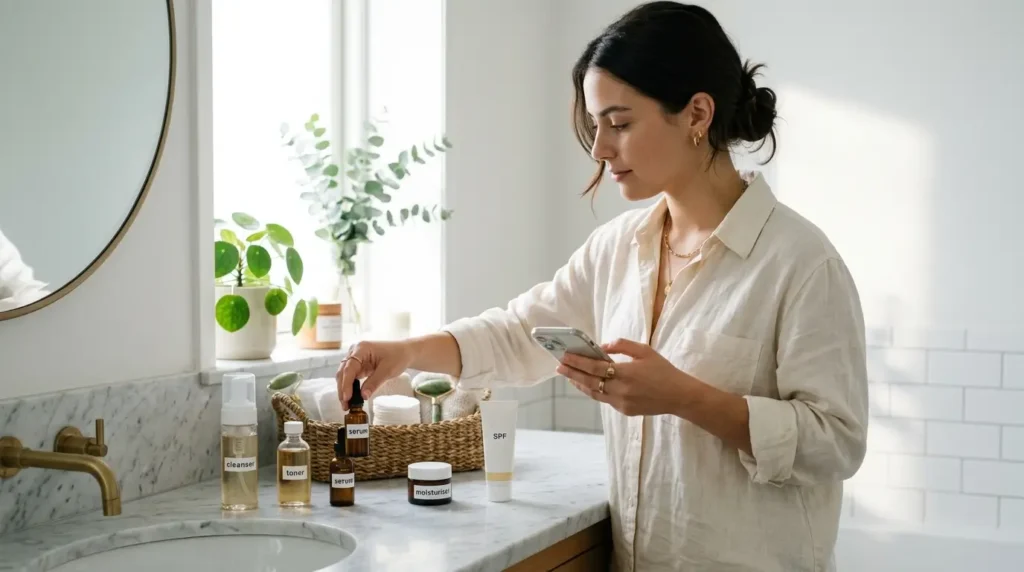
Next Steps
Take a quick glance at your bathroom counter. Organize products according to texture. Put the watery liquids on the left and the thick creams on the right. Do not purchase any new products until you are proficient with what you already have. For one month follow the thinnest to thickest rule. The ingredients will go straight to your skin, your makeup will not peel off, and you will waste no more money on makeup that doesn’t penetrate your skin barrier.