What Does a Moisturizer Actually Do?
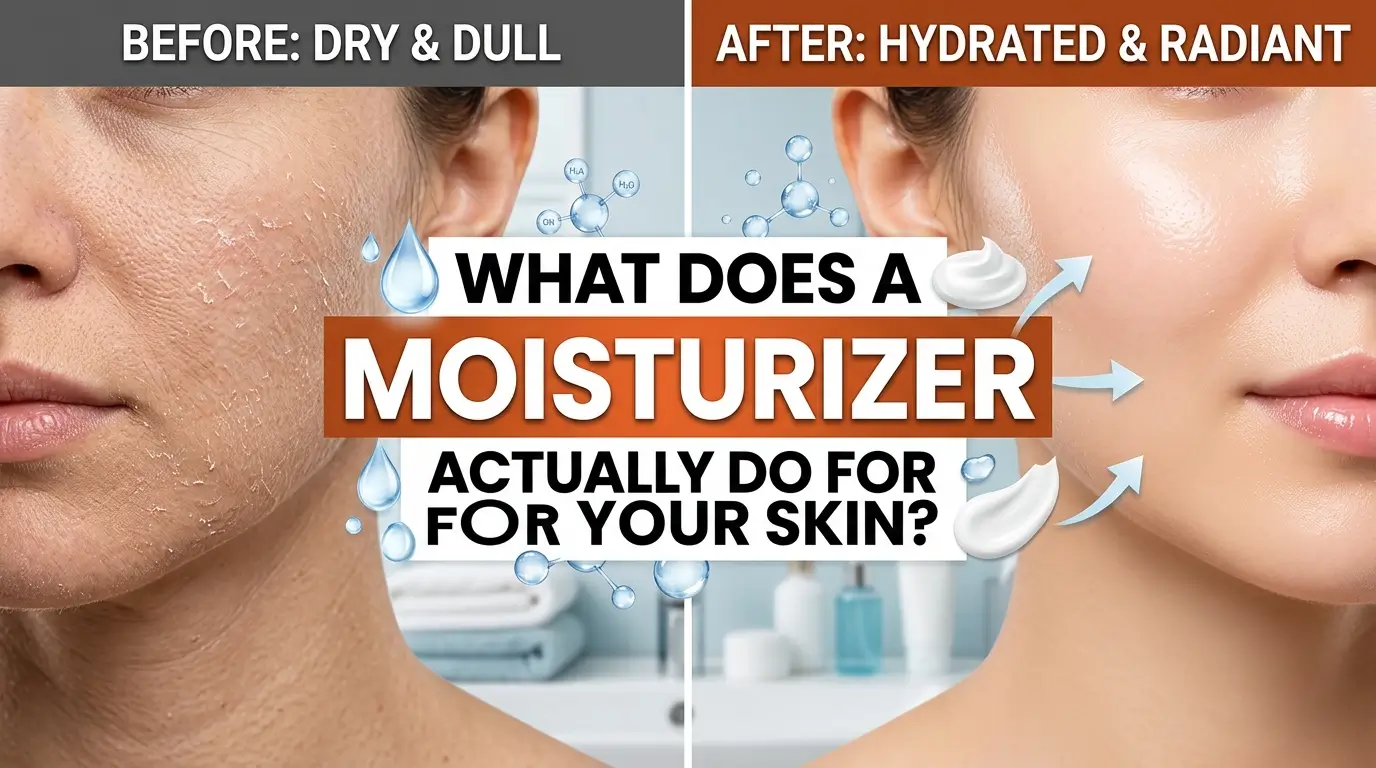
A moisturizer restores the damaged skin barrier, and prevents water from escaping to the air. It works by binding to water; it fills in the cracks between the dead skin cells with emollients and it seals the water trapped within the face with the thick occlusives. This is exactly what does a moisturizer actually do for your skin at a biological level.
A couple of years ago, I purchased a $60 face cream. The label claimed it was super hydrating and would give a youthful glow. I applied it to my face before going to sleep. The following morning when I woke up, I found large cystic acne on my face and chin.
My face was tighter than ever. I felt scammed. I decided to put an end to listening to marketing directors and began reading cosmetic chemistry textbooks.
People generally believe that a moisturizer simply hydrates a dry face. The actual story is complex biology, lipid matrices and barrier repair. It will help to understand the operation of these formulas before paying the next dollar at the pharmacy.
Also Read: How To Layer Skincare Products In The Right Order 2026
How Your Skin Loses Water
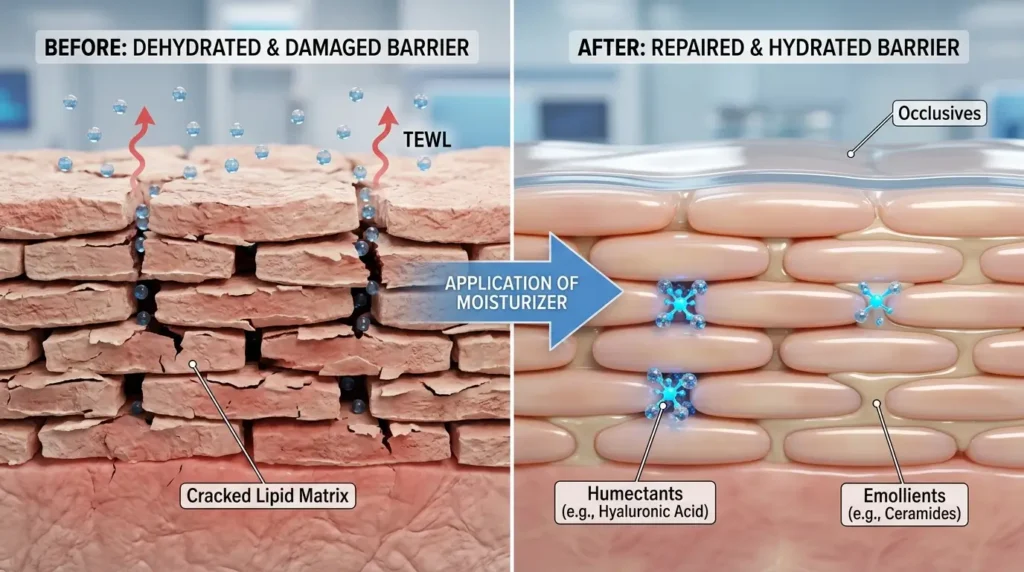
The outermost layer of skin is like a brick wall that protects your body. Top layer of the skin, termed the stratum corneum by cosmetic chemists.
Imagine that your dead skin cells are like bricks. The mortar between the bricks are your natural lipids. These lipids are ceramides, fatty acids, and cholesterol. This wall protects against bad bacteria. It keeps water in.
That mortar is destroyed by hot showers, severe winter winds and inexpensive foaming cleaners.
As your lipid matrix disappears, water can seep out of your inner layers of skin through the cracks and into the air. This is referred to as transepidermal water loss (TEWL) by dermatologists.
You can feel your face tightening up and itching. Your skin is lacking in colour. Your plump and youthful look is gone. There has to be a method to fill those tiny holes.
The Science of Moisturizers
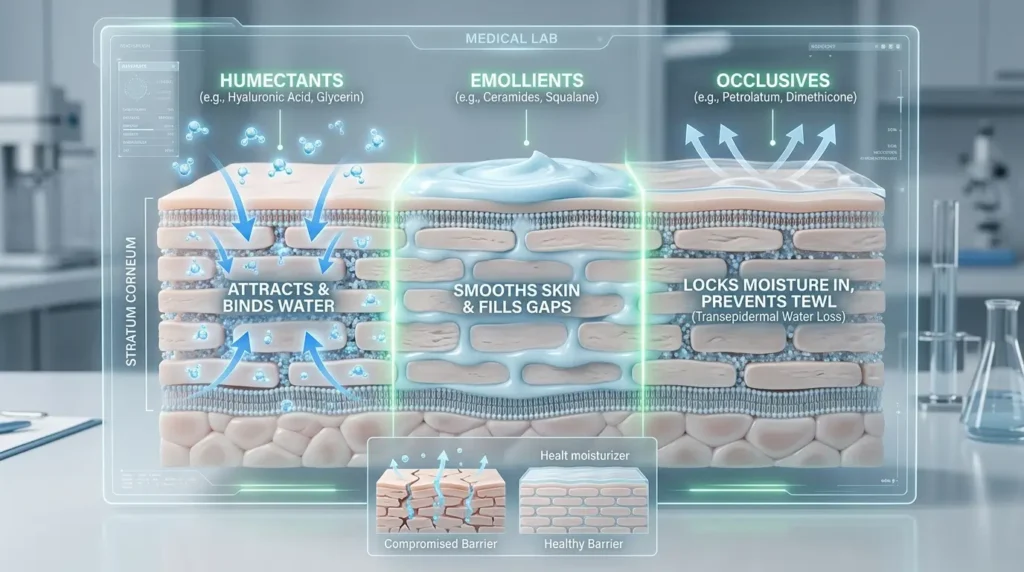
A real moisturizing agent is not only water, but it is a reconstruction of your damaged brick wall. Three different classes of ingredients are used in good formulas to do so. Skin care formulators blend all three to come up with products for various skin types.
Humectants
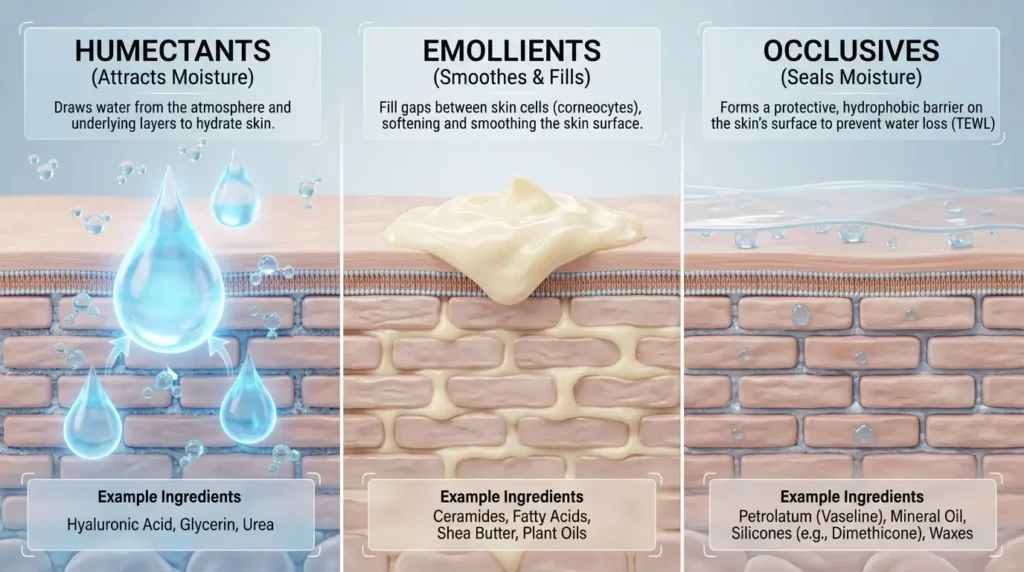
Humectants work as micro sponges. Ingredients such as glycerin, sodium PCA and hyaluronic acid are capable of attracting water and retaining it. They extract water from your lower dermis. They also extract water from the air surrounding you. These are low weight ingredients.
Emollients
Emollients act like spackle to your skin. Squalane, plant oils and ceramides occupy the gaps between the flaking skin cells. They make things smoother. They make your face soft and flexible after application. In order to mimic human skin, a specific ratio of ceramides, cholesterol and free fatty acids is used by clinical formulators (3:1:1).
Occlusives
Occlusives work as a seal over your face like a plastic wrap. Fat elements such as petrolatum, beeswax, and dimethicone lay on the surface of your skin. They form a physical barrier. This shield cannot allow water to escape. Petrolatum is a favourite ingredient among dermatologists for how well it minimises transepidermal water loss, which is about 98 percent reduction.
Moisturizer Ingredient Classes
| Ingredient Type | Core Function | Best For |
|---|---|---|
| Humectant | Attracts water | All skin types |
| Emollient | Smooths cells | Rough or damaged skin |
| Occlusive | Traps water | Dry and eczema-prone skin |
The Lazy Skin Myth
Some people will not use a face cream. They believe that artificial hydration makes the skin stop responding to its own hydration.
Also Read: How to Build a Simple Morning Skincare Routine 2026
Skin is not dried out by applying cream. Skin has no brain. Does not have a feedback system to reduce natural lipid production in response to topical products.
A moisturizing cream is just for maintaining the face you’ve got. A lack of skin care puts your face at risk for pollution and environmental damage.
The Acid Mantle and Your Microbiome
The surface of your skin is acidic. It has a pH of approximately 5.0. The acid film is called the acid mantle. An acidic environment will not support the growth of bad bacteria.
This mantle is ruined by washing with regular bar soap. Bar soap is alkaline. It instantly removes your acid shield. A good moisturizer will help restore your pH balance. It creates an environment that is conducive to a healthy skin microbiome. A healthy microbiome prevents opportunistic infections and helps to lessen redness.
Why Your Location Changes Everything
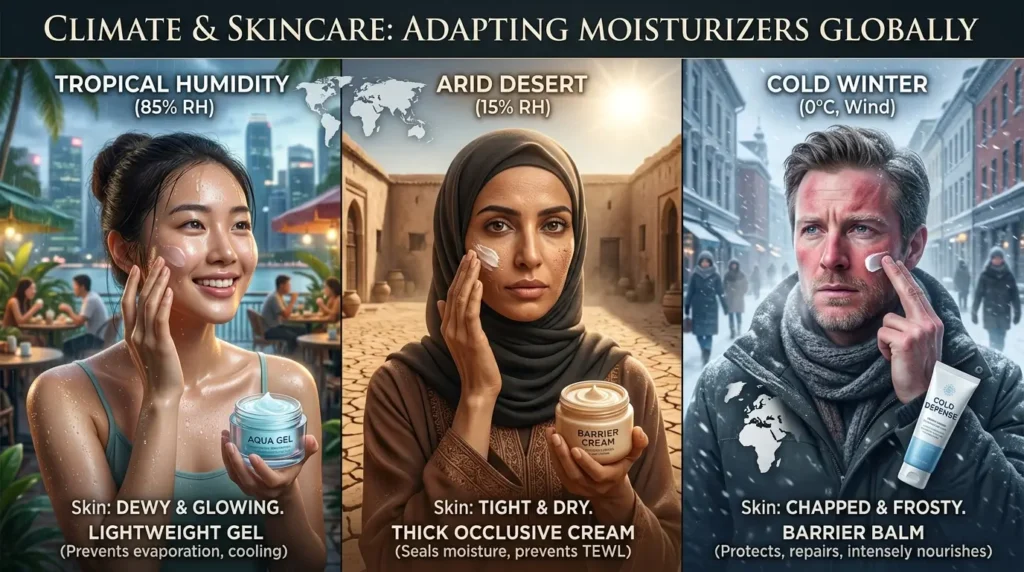
Your skin care buying depends upon your zip code. Products sold here are not necessarily suitable for use in Miami.
Humectants are harmful in dry climates. Humectants don’t work when the air is dry and the humidity is low. They will extract water from your skin and transport it to the dry room where it will evaporate. Your face feels more dry than it did prior to the procedure. In cold and dry weather, you have to cover your humectants with a heavy occlusive.
In humid environments, heavy occlusives can lead to severe acne breakouts. In a tropical summer if a petrolatum cream is worn, sweat is captured under the shield. You will have heat rash and clogged pores. Use in humid areas only with light water-based gels.
Finding the Right Formula for Your Face
There are different classes of ingredients and they need to match your particular biology. The wrong combination makes serious issues.
Oily and Acne Prone Skin
Oily skin individuals tend to overlook hydration. This is a very big error. Oily skin that is dehydrated will make more sebum as a compensation. This additional oil blocks the pores and leads to excess acne vulgaris.
A light, non-comedogenic gel is required. Check for humectants in the formulas and make sure they are oil-free. These are sources of water, but not grease.
Dry Skin
Dry skin doesn’t have an oil coating. A thick cream is required. Search for high amounts of emollients and occlusives. The formulas which are full of ceramides and shea butter take the place of the missing mortar between the cells of your skin.
Sensitive Skin
Sensitive skin has an ongoing broken barrier. Search for hypoallergenic and pH balanced creams. Steer clear of perfumes and essential oils. Colloidal oatmeal and centella asiatica help to calm redness and irritation. Always use patch test with new products. Apply just a little bit behind your ear and leave it for 24 hours to see if there is any allergic reaction.
Do You Need an Expensive Cream?
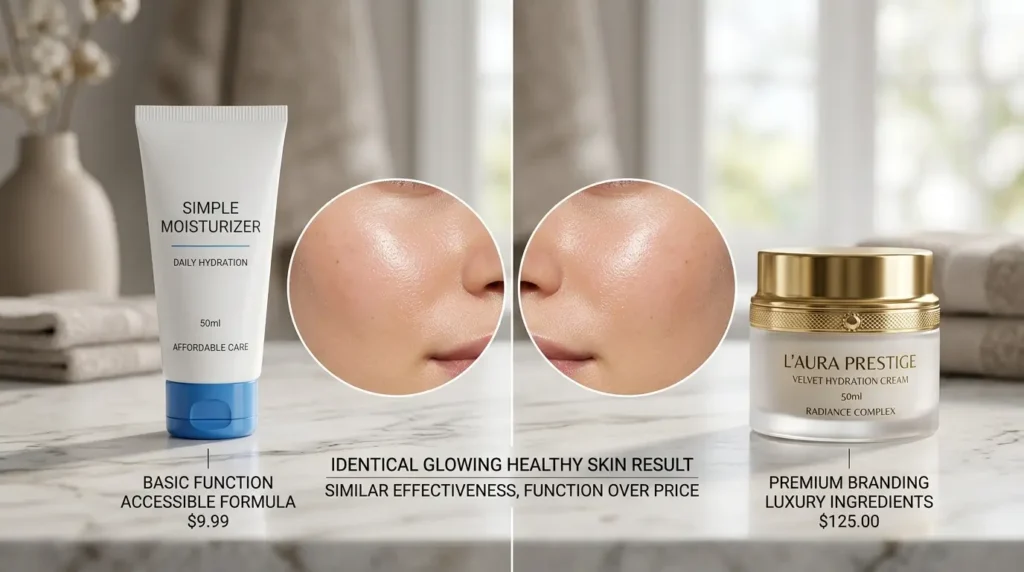
It is the feeling that good skin care has to be expensive that I don’t like. This barrier repair is not so complex that it requires a $100 cream.
The basic drugstore brands are around $15 and have the same dermatological ingredients as high end brands. You are paying for expensive glass containers, unique fragrances and celebrity marketing campaigns.
Also Read: skincare routine for beginners step by step 2026
It is easier to access the pharmacy, focus on function rather than form. The price of clinical cosmeceutical brands would be in the range of $60 to $80. Higher priced options might have improved textures or proprietary delivery systems. The first $15 tube is used without problems for most people.
How to Apply Moisturizer
If you apply a good product the wrong way, then it is a bad product. Go through this particular sequence and you will trap the most water.
- Wash your face with a mild, pH-balanced face wash. If you have heavy make-up use a double cleansing technique.
- Pat skin with a clean towel. Keep skin moist.
- Use a water-based serum such as Vitamin C as the first step.
- Take a drop of moisturizer the size of a dime and apply it to your fingers.
- Put cream on your face and neck and rub in upward circular movements.
- Apply sunscreen or make-up after waiting 3 minutes.
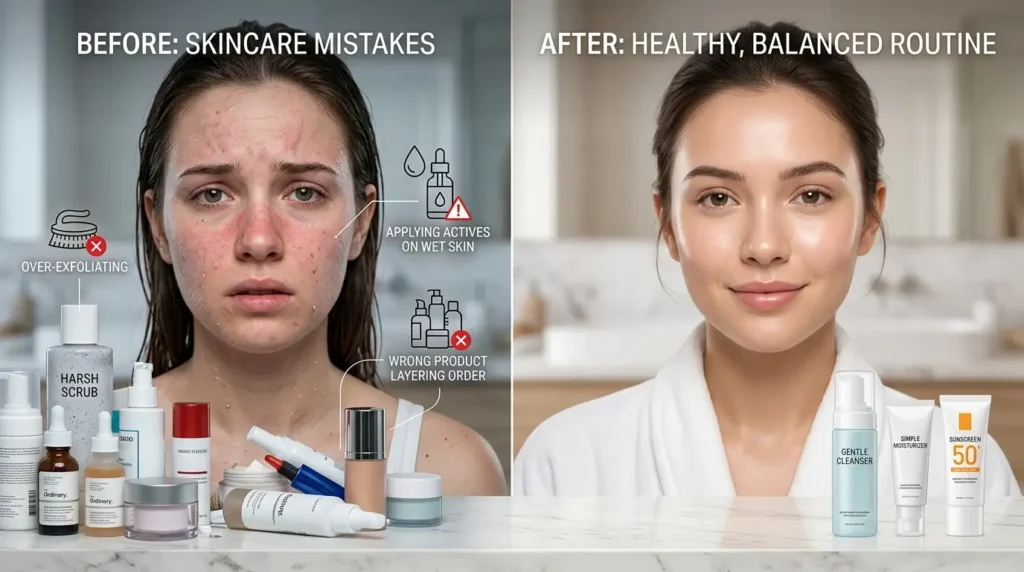
Cream won’t work if your face is bone-dry. The cream requires water to capture. Always apply to damp skin.
Skincare Mistakes You Keep Making
I see it happen every day, people destroy their skin barriers. Avoid these errors.
The main problem is over-exfoliating. Individuals make use of harsh chemical peelings on their face each night. You remove all the lipids naturally present in your body. There is no cream to repair the face that you are destroying every day.
Applying body lotion to the face makes for severe acne. Body formulas contain economical, heavy and comedogenic components. Your face is more prone to pore congestion and has smaller pores. Maintain products under neck.
When you neglect your nighttime routine, you age even earlier. While you’re sleeping, your body mends microscopic damage. A thick night cream provides the skin with all the means necessary to repair that damage.
Frequent Skincare Questions
Why Do We Need Moisturizer Everyday?
The lipids that you wash off require daily replacement. You remove protective oils when you shower or wash your face. The protection that is being formed each day reinforces itself and prevents opportunistic bacteria from entering.
Is Moisturizer Necessary If I Have Oily Skin?
Yes, oily skin requires moisture to prevent oily sebum production. When it comes to starving oily skin of water, the sebaceous glands panic. To protect the face they pump out more oil. This panic response is controlled by a light gel.
Does Drinking Water Replace Topical Moisturizer?
No, water is not absorbed by the outermost layer of the epidermis. Your body uses water for its most vital needs first. The dead cells on the surface absorb nothing. Hydration must be applied from the outside.
What Happens If You Stop Using Moisturizer?
Your skin barrier ruptures, causing flaking, redness and fast water loss. You will have a lackluster complexion. Fine lines will appear more pronounced. Environmental damage will cause an early onset of aging.
Does Moisturizer Prevent Wrinkles?
A moisturizer will make the skin softer and provide hydration that will help mask wrinkles, but it will not prevent biological aging. Reduces the appearance of wrinkles. A healthy barrier does help to slow down environmental damage. This will make your skin look younger in the long term. The degradation of collagen and elastin continues as you age.
Can Moisturizer Cause Acne?
Yes, heavy creams containing comedogenic agents are pore-clogging and breakout offenders. People who have acne-prone skin should only use oil-free and non-comedogenic formulas.
How Long Does It Take for a Cream to Absorb?
A majority of the standard lotions for the face absorb in 3 to 5 minutes. Thick, occlusive ointments may require 20 minutes to set. Wait a few minutes before applying cosmetics to your face.
Final Thoughts on Skincare
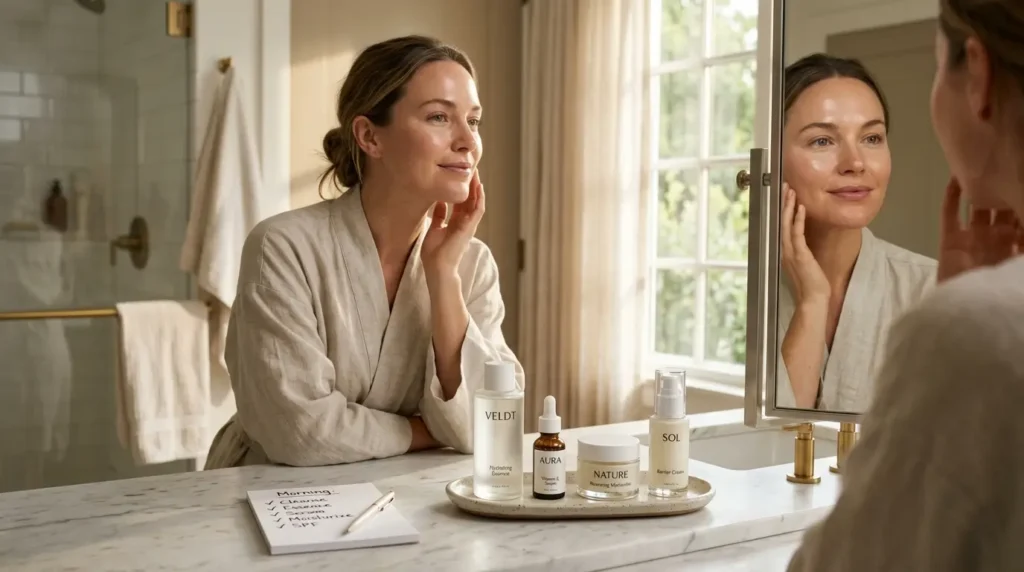
Cosmetic chemistry can transform your product-purchasing habits. You don’t gaze at marketing hype. You begin to scan labels for ingredients.
A good moisturizer should be useful. It prevents the loss of water from the body. They fill your microscopic hole in the walls. It helps to keep the bad stuff away and the good stuff inside.
Know the formula that works for your biology and local climate. Don’t think about the cost, just stop! A simple $15 tube of cream from the pharmacy will do just as much. Wash face, keep wet and secure it.