
Skipping Daily Sunscreen
Newbies tend to forget to apply sunscreen daily, exfoliate their face more often than usual, and use multiple ingredients together. The regular mistakes result in the skin barrier being disrupted, increased transepidermal water loss and consequent deep irritation. This is prevented by a simple regimen of cleanser, moisturizer and SPF.
Also Read: How To Know Your Skin Type At Home 2026
Many people believe that using sunscreen is only necessary when they’re out on the beach. It’s a perilous belief. Ultraviolet rays from the sun pass through cloud and glasses. They break down collagen and elastin in the deeper layers of the dermis. This is known as photoaging. You begin to develop wrinkles and dark spots. Surface is damaged by UVB rays. Both rays promote cell damage to the DNA.
Use a wide-spectrum sun protection factor (SPF) of 30 on each and every morning. Apply two finger rule. Apply 2 lines of sunscreen to your middle and index fingers. Apply to your face and neck. Reapply often (every 2 hours) if you are sitting near a window, or outside. Sunscreen ranges in price worldwide from $15 to $40 USD. It’s a lot more expensive in terms of dermatologist visits later if you don’t do it.
Dermatologist Consensus on Sunscreen
According to the American Academy of Dermatology, any sunblock with an SPF of 30 or higher that is broad-spectrum and water-resistant should be used for the lowest risk of skin cancer and anti-aging.
Over-Exfoliating the Skin
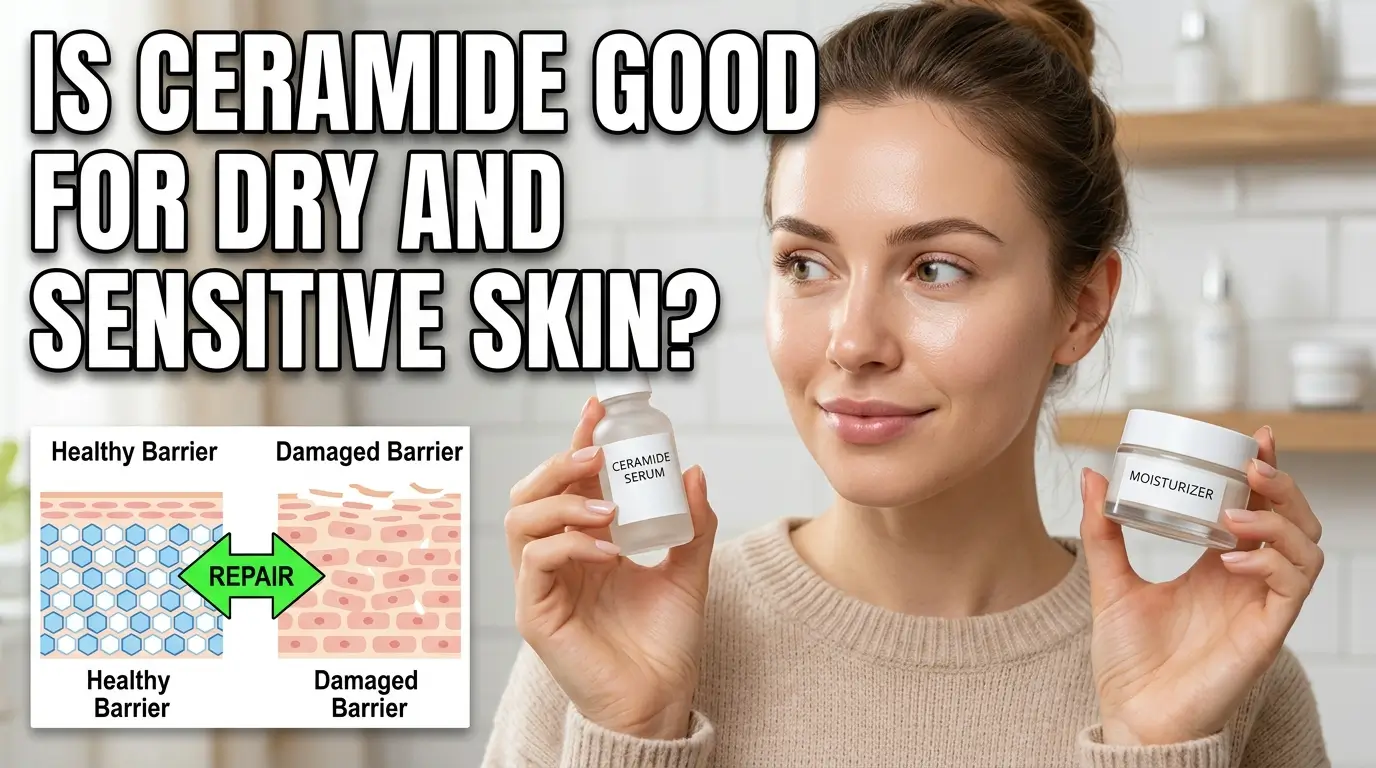
Newbies over scrub to get smooth skin. They scrub and scrub, making use of rough physical scrubbing or strong chemical acids every day. This removes the stratum corneum, deprives of ceramides and destroys the acid mantle. The skin turns red, tight and easily irritates into a painful breakout. Stop scrubbing.
Exfoliation is used to eliminate dead skin cells. Novices believe more is more. They cleanse their face and make it raw. Micro-tears are caused by physical scrubs with walnut shells. The chemical acids such as AHAs break the bonds between the cells. Repeat every day and you are destroying your top layer of protection.
Look out for these symptoms of skin barrier damage:
- Chosen after cleansing, tightness and dryness.
- Unusual redness or redness that can’t be explained.
- Moisturizers that sting or burn you are the wrong moisturizers for you.
- Unexpected acne on the face, around the cheeks and jawline.

Why Does My Skin Sting When I Apply Moisturizer?
You have an impaired skin barrier. Removal of the acid mantle. TEWL (trans epidermal water loss) increases. Nerves are exposed to the products and air. If you use a simple moisturizer, it will burn.
The 14-Day Recovery Protocol
Stop all actives immediately. Toss the scrubs. Wash face in the morning and cleanse with soap and water in the evening for 2 weeks. Use thick cream containing ceramide in the morning and at night. Buy products that contain ceramides. We have a comprehensive guide to ceramide skin care, so you can make your choice. Avoid acids, retinol or vitamin C until the burning sensation has ceased. For additional support, we have a full article explaining how to repair if you have a damaged skin barrier.
Mixing Incompatible Active Ingredients
Retinol does not mix well with other active ingredients such as AHA, thus resulting in a chemical irritation of the skin. Those who have just started use a combination of incompatible acids and antioxidants. This makes the benefits null and void, as well as burns the skin. These ingredients need to be separated from morning to night in order to heal.
Also Read: What Does A Moisturizer Actually Do For Your Skin 2026
Safe duos of skin care brands are being sold for a reason. They neutralise the pH. If you purchase single product serums and combine them together, you put yourself into a chemical war on your face. Both retinol and AHAs stimulate cell renewal. Mix them together, and your face will come off! Vitamin C needs to be low pH. Niacinamide raises pH. They cancel out one another.
| Ingredient | Do Not Mix With | Result |
|---|---|---|
| Retinol | AHAs / BHAs | Chemical irritation |
| Vitamin C | Niacinamide | Reduces efficacy |
| Benzoyl Peroxide | Retinol | Deactivates retinol |
Apply the vitamin C in the morning. Apply retinol before bedtime. Keep it simple.

Using the Wrong Cleanser
Oil production is disturbed when you use a cleanser that is in conflict with your skin type. Excessive detergents (surfactants) deplete the ceramides from the skin. The protective acid mantle is removed by hard tap water. When choosing a skin cleanser, it is important that the type is matched to the skin type, for optimal balance.
Your entire routine is set with cleansers. Using a foaming gel dries and removes oils from your skin. Those who have oily skin and apply a heavy lotion, clog their pores. Sodium lauryl sulfate is an ingredient in many cleansers. This is a really hard surfactant which will ruin your lipid barrier. Never use body wash on your face. Body wash has a strong perfume and strong detergents that will work on thicker body skin.
| Skin Type | Cleanser Format | Function |
|---|---|---|
| Oily | Gel or Foaming | Removes excess sebum |
| Dry | Cream or Lotion | Hydrates while cleaning |
| Combination | Gentle Gel | Balances oil in T-zone |
The Tap Water Problem
Hard water is water that is rich in calcium and magnesium. These minerals leave a layer on your skin. Combines with your cleanser to produce soap scum. This impacts pores and dry skin. Try to use a mild micellar water as a preliminary treatment for mineral deposits.
Applying Products in the Wrong Order
Improperly using skincare products has the effect of sticking light serums with heavy cream. This eliminates absorption and results in a loss of money. Layering of skincare products must go from light to heavy (smallest to largest molecular weight). This makes it possible to pass the active ingredients through the surface of the skin.
Oil and water do NOT mix. Oily serums first followed by water-based vitamin C serums will just slide off. Absorption is dependent on molecular weight. Light formulas go deep. Water-tight heavy formulas are placed on top of them. For a more in-depth look into this, follow our full guide to layering your skincare.
Also Read: How to Build a Simple Morning Skincare Routine 2026
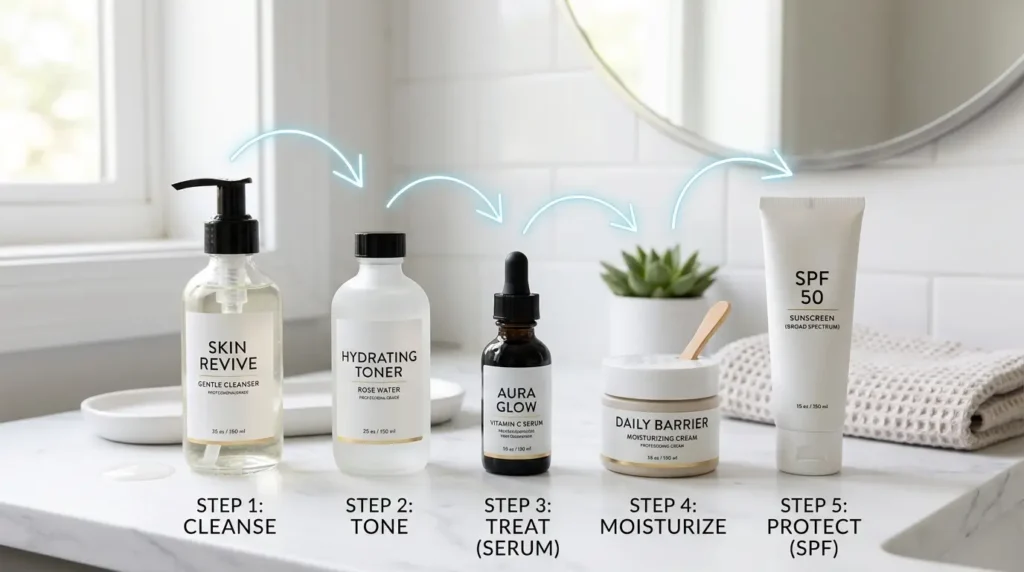
How to Properly Layer Skincare
- Cleanser
- Toner
- Water-based serums
- Moisturizer
- Sunscreen
Ignoring the Neck and Your Sleep Hygiene
Beginners do not bother with their skin care routine beyond the jaw and sleep on filthy pillow cases. There are fewer oil glands in the neck and it gets older faster. Contact dermatitis and acne can be caused by bacteria found in dirty pillowcases. It’s time to add more steps into your regimen, and wash your linens.
I see people with perfect faces and old people’s wrinkles. There is less fat under the skin on your neck. It ages more quickly. Take your cleanser and sunscreen down to the collarbone.
Sleep hygiene is also important. At night you wash your face. Expensive serums are used. You then press your face into a pillowcase filled with sweat, oil and dead skin cells. This causes bacteria transfer to your pores. Change the pillowcases and sheets every other week.
Changing Products Too Fast
Beginners change products on a regular basis and do not perform patch tests. This will prevent the ingredients from working and cause allergic contact dermatitis. The purging of the skin takes 6 weeks. The breakout of an allergy occurs within 24 hours. All must be patch tested before use.
It takes 28 days for skin cells to replace. It will take at least six weeks for a new serum to work. Beginners get impatient. Use the product for 3 days, notice a pimple, and discard it. They blame it rather than they understand purging.
Purging occurs on the skin where breakouts occur. Forces existing clogs to the surface. New spots are red, itchy and a result of an allergic reaction. This is called contact dermatitis.
How to Patch Test a New Skincare Product
- Put a little behind the ear or on the inside of the arm.
- Wait 24 hours.
- If there is no redness, rub a little around your jaw line.
- Wait 24 hours longer before applying to your entire face.
When to Seek Professional Help
OTC products have a limit. Home care won’t cure peeling, bleeding skin or persistent redness that lasts for weeks. A medical diagnosis is required. Get help from a licensed esthetician or dermatologist in your area to determine if there is any damage to the skin’s barrier. The costs of an initial clinical consultation vary from $100 to $300 USD, depending on your location and healthcare system. Barrier repair facials and prescription topicals are only available from med-spas and dermatology clinics.

Frequently Asked Questions
Why Is My Skincare Making My Skin Worse?
There is damage to your skin barrier. Consider simplifying your skin care regimen by reducing the number of active ingredients you are using, such as retinol and vitamin C, and using a mild cleanser and moisturizer for two weeks.
How Long Does It Take to Fix a Damaged Skin Barrier?
Requires 14-28 days. This is the time that it takes for your stratum corneum to undergo a cycle of cell turnover. No exfoliating acids are to be used during this period.
Can I Use Moisturizer Instead of Sunscreen?
No. Moisturizer with SPF does not provide enough protection. People use a thin layer of moisturizer which does not provide the advertised level of SPF. To avoid photoaging, you need a special sunscreen that is broad-spectrum.
Should I Use Toner Everyday?
This is dependent on the toner used. If it has chemical exfoliants such as glycolic acid, use it two to three times a week. If it has hyaluronic acid and is a hydrating toner, use it both in the morning and at night.
How Long to Wait Between Skincare Layers?
Layer the dough 60 seconds apart. This allows the previous product to be absorbed into the skin. When you apply the moisturizer on a wet serum, it means you reduce the effectiveness of the products.
Is It Okay to Use the Same Moisturizer Morning and Night?
Yes. Ceramide cream is simple to use and is perfumed with nothing; it is effective in the morning as well as at night. It’s used in the morning with a layer of sunscreen. It can be used at night under a treatment serum.
What Happens If You Don’t Wash Your Face at Night?
Throughout the day, dirt, pollution and sebum build up on the skin. With unwashed sleep, these things combine with dying skin cells and block your pores. This will cause bacteria to grow and acne to appear.
Can You Use Salicylic Acid and Niacinamide Together?
Yes. Salicylic acid and niacinamide are complimentary ingredients; they work well together. Niacinamide helps to hydrate the skin, counteracting the drying effects of salicylic acid.
A ten-step skin care regimen and a large budget are not essential to good skin. It requires patience. Cease and desist buying anything that is ‘trending’ on social networks. Fix your barrier. Wear your sunscreen. Allow skin to do its job. After these fundamentals are learned, targeted treatments can be added to the mix later.