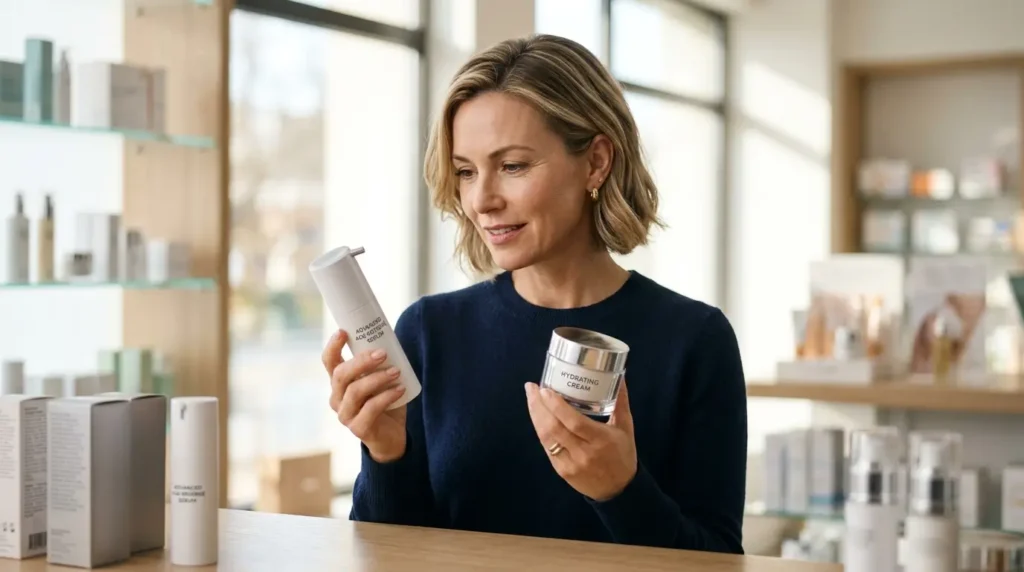
10 years ago I was in a well lit pharmacy aisle and looking at a thirty dollar jar of cream that promised to remove the lines from my face in a week. I bought it. It did nothing. I have spent a ton of money on serums, lots, and various other beauty products since then, and my skin has been peeling in sheets from all the bad retinol products, and most of all, I have learned that the skincare industry loves to use “science-washing” to sell us basic moisturizer.
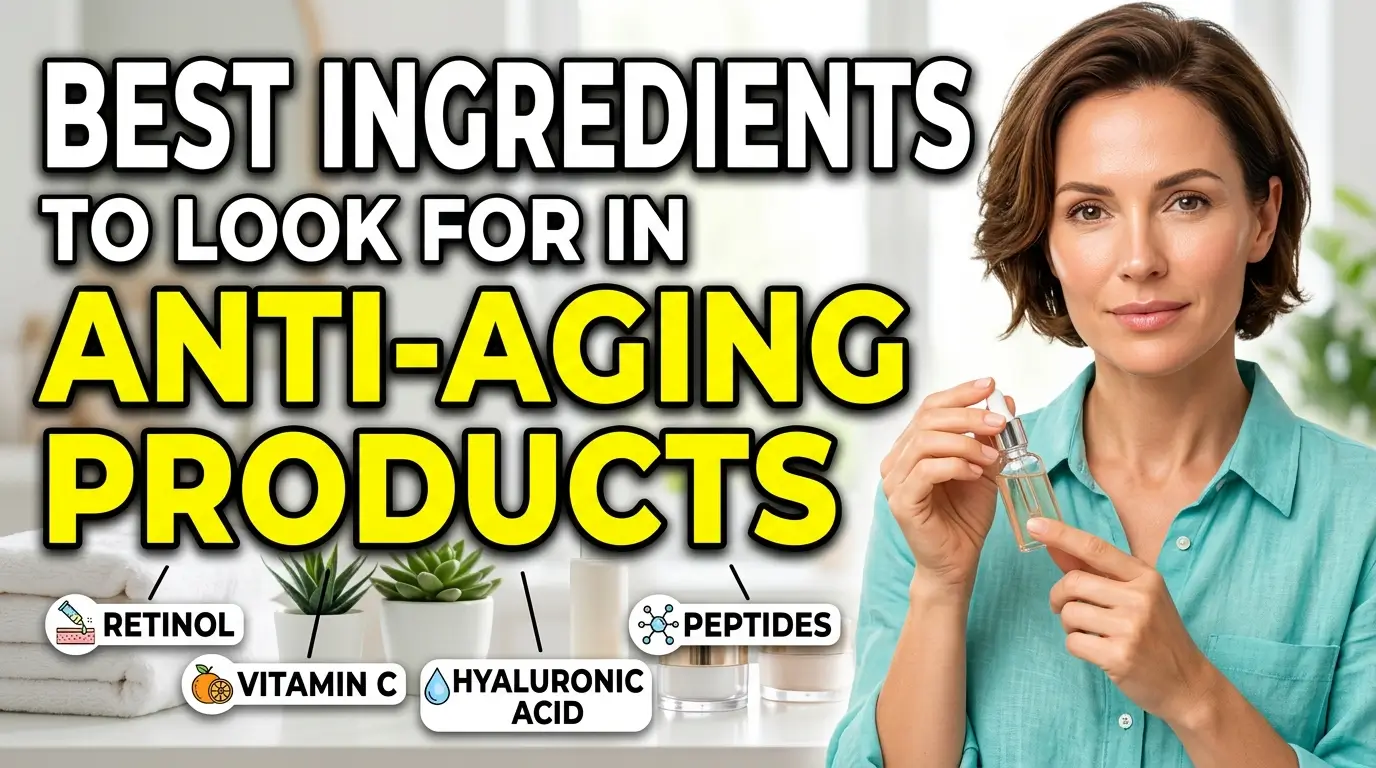
When it comes to changing your skin, one way to do it is to do more than just rely on the marketing appeal – look at the actual ingredients. These are the substances that alter the function of your cells. If you’re searching for the best ingredients to look for in anti aging products, the gold standard is still there in 2026, but it’s used more precisely.
The Reality Of Anti-Aging Products
The majority of anti-aging products don’t work because they are not the correct concentration of actives, or the ingredients are allowed to expire before they even reach your face. There are two things in the fight against aging – protection and repair. In the day you shield yourself from the sun and pollution. At night you fix the damage.
Also Read: Salicylic Acid Or Benzoyl Peroxide: Better For Acne 2026
It is unlikely to work if a product doesn’t list its percentages of actives or if there is a clear glass jar that allows light to penetrate. The key to it being effective is that it actually gets into the skin and is kept there long enough to work — and that’s bioavailability in fancy speak.
Retinoids For Cellular Turnover
Retinoids are the cornerstone of any skincare regimen. They are Vitamin A based compounds that promote cell renewal. This causes your skin to shed off dead skin and create more collagen.
Retinol is available over the counter, but has to go through several transformations to be used by your skin as it is applied. Retin-A (Tretinoin) is prescription and will work right away.
| Ingredient | Strength | Best For |
|---|---|---|
| Retinyl Palmitate | Very Low | Sensitive Skin |
| Retinol | Moderate | Beginners |
| Retinaldehyde | High | Fast Results |
| Tretinoin | Medication | Very Dark, Wrinkled Skin |
The hard way learning is the best way in this case, as I discovered jumping right to a high percentage will destroy your moisture barrier. Use 0.25 percent retinol two times a week initially. Follow the “sandwich” treatment: moisturizer, then retinol, then moisturizer. It prevents itching and peeling until the tolerance to the product was developed over 12–24 weeks.
Vitamin C And The Stability Problem
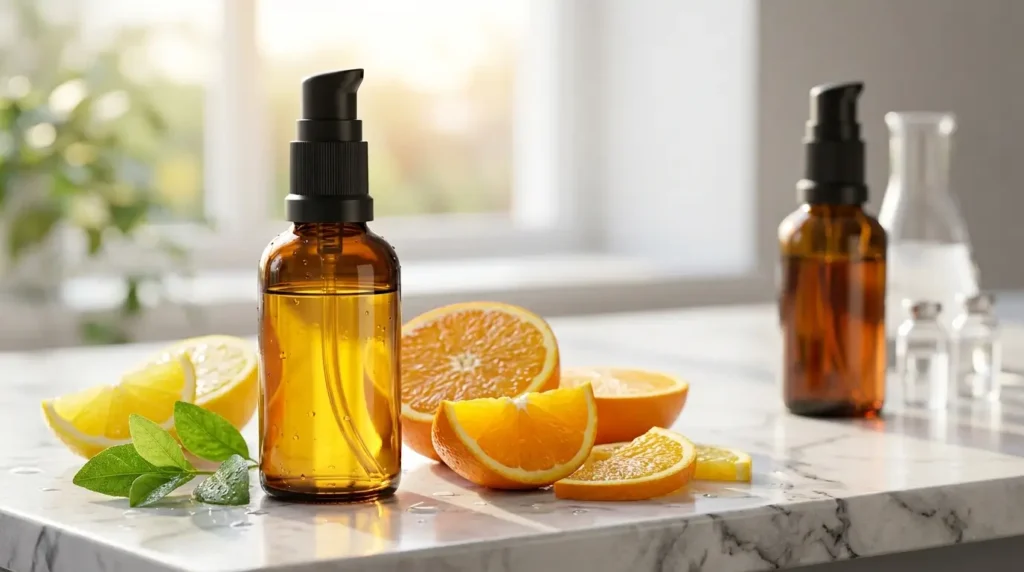
Vitamin C is an antioxidant which neutralizes free radicals produced by pollution and the sun. It also helps to lighten up dark patches. The most effective form of Vitamin C, however, is L-ascorbic acid, which is extremely unstable. A brown or orange serum is an oxidized serum. It’s now ineffective and may lead to greater oxidative stress.
Buy airless pumps or dark, opaque containers to store Vitamin C. Avoid droppers. The best formula is one that has Vitamin C, Vitamin E and Ferulic Acid in it. This trio is a synergistic combination which makes Vitamin C more stable and increases its sun protection factor by a factor of two.
Also Read:Does Retinol Actually Work For Wrinkles 2026
Peptides And The Collagen Message
Consider peptides as messengers. These are peptides of short amino acid chains which trigger an increase in collagen and elastin production. With age, our body’s “signals” become weak. Those signals can be stimulated with topical peptides, such as Copper Tripeptide-1 or Matrixyl 3000.
Peptides are ideal for anyone who can’t stand the irritation of retinoids. They don’t peel or redden. They are most effective when applied to the skin as a serum or moisturizer, and not as a wash-off product.
Niacinamide For Barrier Repair
Vitamin B3 (also called niacinamide) is the superstar of the beauty industry. It does everything. Tightening pores, soothing redness, and restoring the lipid barrier. This is the main ingredient to have if you have oily skin but want anti-aging properties. It is not comedogenic, thus will not clog your pores.
It is also beneficial for “Transepidermal Water Loss” or TEWL. This is when moisture is released from your skin making it thin and crinkly. Usually a 5% concentration is sufficient. It may even cause irritation on sensitive skin if it’s not lower.
Hyaluronic Acid Versus Glycerin
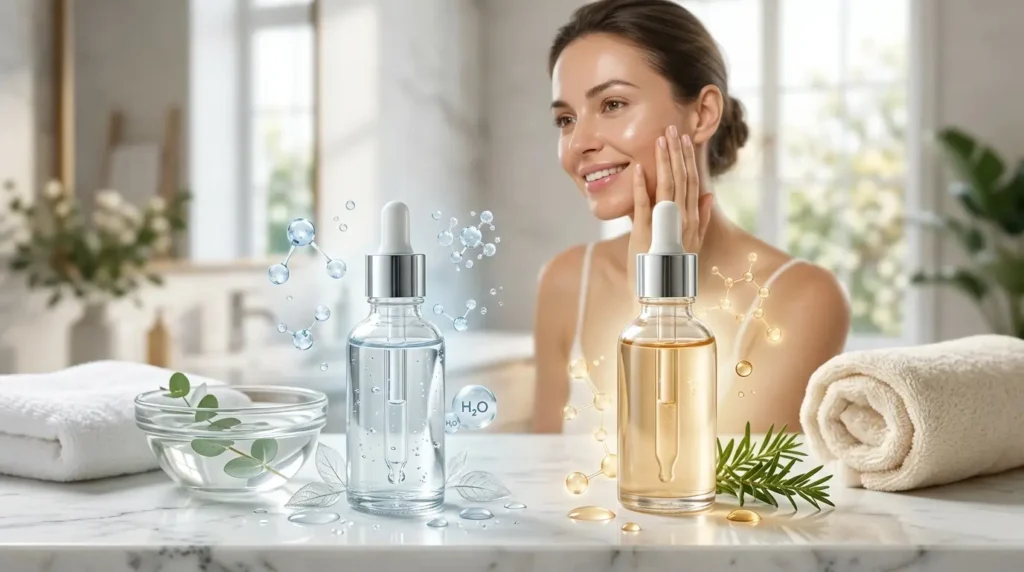
Where everyone is speaking about Hyaluronic Acid, Glycerin is frequently better and cheaper. Both are humectants, which attract water to the skin.
It’s not just about HA, it’s about molecular weight of HA. High molecular compounds are placed on the top of the skin and give immediate volume. Long-term hydration results in a deeper MW. There’s only one type of your product and you’re missing. Apply these always on moist skin. When used on dry skin in a dry environment, they could draw moisture from the deeper layers, leaving you even drier.
Exfoliating Acids And pH Levels
Alpha Hydroxy Acids (AHAs) such as Glycolic acid and Lactic acid break down the “glue” that cements dead skin cells together. This brings on the shimmering skin beneath.
The efficacy of an acid is dependent upon the pH of the acid. Acid will not be effective if pH is too high. If it’s too low it will burn you. Look for a pH between 3.5 and 4.0. My favourite is lactic acid as it is a bigger molecule than glycolic acid. It penetrates slower, but is much gentler to the skin barrier.
The Role Of Ceramides In Skin Health
All the acids and retinoids in the world can be used, yet if your skin barrier is broken you will look older. Lipids known as ceramides serve as the adhesive that holds the bricks (skin cells) in place.
Anti-aging actives, as you vary your skin a little, it will have to heal itself. Ceramides ensure the repair process occurs. Search for products that contain Ceramides 1, 3 and 6-II on the label.
Modern Protection Against UV And Blue Light
The real “anti-aging” product is sunscreen! All the rest is damage limitation. UV rays account for 80% of skin ageing. We have to be concerned about blue light or High-Energy Visible (HEV) light from our screens and the sun in 2026 as well.
Also Read:Peptides In Skincare: Do They Really Work 2026
Better sun filters are available in the UK and Europe, such as Tinosorb and Mexoryl. We don’t need the FDA approval of these yet in USA, and so we are more on Zinc Oxide. If you’re using the products for blue light protection, look for ingredients like Iron Oxides (usually found in tinted sunscreens) or Ectoin. Ectoin is an adaptogen that helps withstand extreme stress and dehydration of skin cells.

How To Layer Your Active Ingredients
An improper layering can render your top-dollar products useless. This easy morning and evening plan to maximize your ingredients!
Morning Routine: Protection
- Cleanser: Gentle, non-stripping.
- Vitamin C Serum: Use on dry skin.
- Hyaluronic Acid: Put on wet skin on top of the Vitamin C.
- Moisturizer: With ceramides.
- SPF 30+: Non-negotiable.
Evening Routine: Repair
- Double Cleanse: Applying an oil-based balm to remove the SPF and then a water-based wash.
- Peptide Serum: To communicate repair.
- Retinoid: Wait 10 minutes after washing your skin, so your skin is dry.
- Heavy Moisturizer: For sealing purposes.
Common Mistakes To Avoid
- Avoid combining Retinol and AHAs: This is not a good idea for one night. The amount is too great for the skin. Alternate with them every other night, which is called skin cycling.
- Neglecting the Neck: The skin on your neck is thinner than that on your face, and has fewer oil glands. Apply all your face and neck products to your neck and chest.
- Clear Bottles: If your Vitamin C or Retinol is in a clear bottle, the light has already had its effect on the contents.
- Expecting Instant Results: Good results take about 30 days. Skin cells turn over in about 30 days. It takes a minimum of three months of daily use to notice any results in terms of wrinkles or dark spots.
Decisions: Which Ingredient Should You Choose?
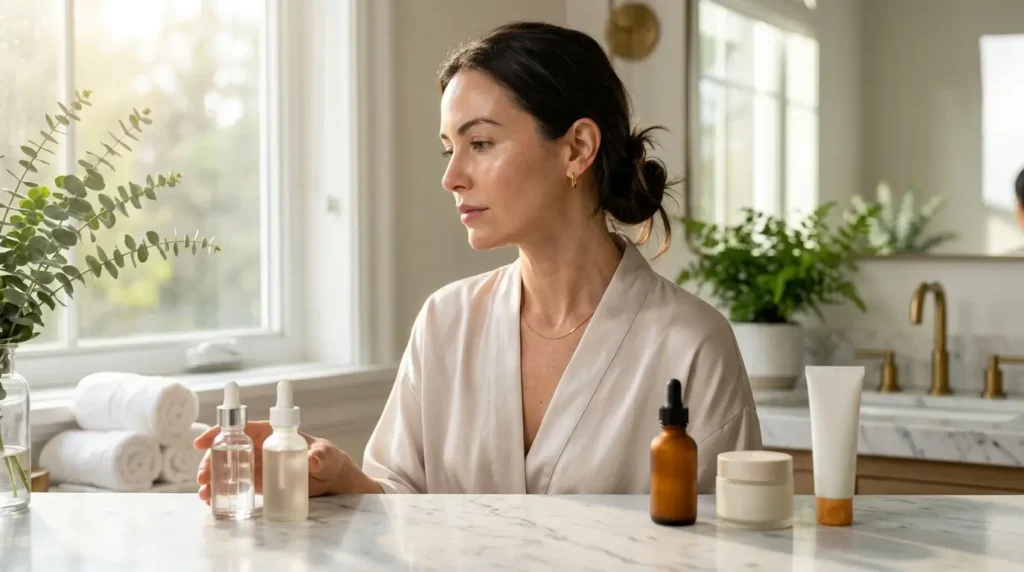
When you’re feeling overwhelmed, choose one ingredient based on your top concern.
| Concern | Primary Ingredient |
|---|---|
| Deep Wrinkles | Tretinoin or Retinaldehyde |
| Dark Spots | Vitamin C + Niacinamide |
| Sagging Skin | Copper Peptides |
| Redness | Ceramides + Azelaic Acid |
Frequently Asked Questions
What Is The #1 Dermatologist-Recommended Anti-Aging Ingredient?
The most recommended are the Retinoids, in particular Tretinoin, which have decades of clinical studies that demonstrate that they boost collagen and counteract photoaging. The second, but also preventative, is sunscreen.
Can You Mix Vitamin C And Retinol?
They should be used at various times of the day. Vitamin C is most effective in the morning, as it is for environmental stress. Retinol is best used at night due to the fact that it becomes broken down by sunlight and aids in the natural repair process at night.
Which Peptides Are Best For Deep Wrinkles?
If you’re looking for “signal peptides,” check for Palmitoyl Pentapeptide-4, or if you’re searching for “neuropeptides,” look for Argireline. Argireline can be referred to as Botox in a bottle, since it can loosen the facial muscles that result in expression lines.
Is Bakuchiol As Good As Retinol?
A plant derived alternative without irritation, bakuchiol is the one which mimics retinol. Research indicates it can work for fine lines and pigmentation, yet does not have the collagen boosting activity of more powerful retinoids. It’s an excellent option for pregnant women or very sensitive skin.
How Much Should I Spend On Anti-Aging Products?
Don’t have to invest hundreds of dollars. Effective Retinol and Niacinamide can be purchased for less than $20. Buy more of the serums (Vitamin C and Retinoids) and save on the cleanser and moisturizer.
Does Blue Light Actually Age Your Skin?
Yes. The light of HEV has a deeper penetration into the skin as compared to the UVA or UVB rays. It induces oxidative stress resulting in collagen degradation. A tinted sunscreen containing iron oxides can be beneficial when using a computer monitor for 8 hours a day.
What Are The Side Effects Of Retinol?
Most often, they are dry, red and flaky, commonly referred to as “retinization.” This typically lasts 2–4 weeks. If it lasts for a while longer, it is too much or too concentrated for your skin type.
Anti-aging skincare does not include the magic of a magic potion in a bottle. It’s a matter of picking the proper molecules, making sure they’re stable, and consistent enough to work. Slow down, protect your barrier, and always apply sunscreen.